A new season doesn’t start on race day. It starts the moment you pause and look at the year ahead with some intention. That moment can happen in December, in the middle of winter, or months into the new year when you finally sit down to figure things out. The timing doesn’t matter. What matters is building a season that actually fits your life, not the other way around.
Too many runners choose races first and then force their training to match, only to end up overwhelmed, underprepared, or injured.
A good season plan starts with honesty about your time, your stress, your strengths, and the kind of consistency you can realistically hold. When your training fits your life, everything else becomes smoother. Progress stacks. Confidence grows. You stay in the game.

With that in mind, we asked every Vert.run coach four simple but important questions about planning a strong 2026 season:
What’s the biggest mistake runners make when planning a new season, and how do you recommend avoiding it?
If you had to build a simple “season blueprint” for a trail or ultra runner, what would the three non-negotiables be?
What’s one thing most runners don’t plan for that ends up making a massive difference on race day?
Their answers come from years of guiding athletes through first ultras, PR attempts, recoveries, busy schedules, and the realities of trying to train well while juggling everything else life throws at you.
Wherever you’re starting from, this guide will help you map out a season built for you, your goals, and your real world.
What’s the biggest mistake runners make when planning a new season, and how do you recommend avoiding it?
Coach Steve:
The biggest mistake I see is jumping straight into planning races without enough thought given to recovery, life stress, and true purpose. A season isn’t just a collection of races—it’s a rhythm of build, peak, reset, and reflection. Avoid burnout and underperformance by reverse-engineering your year: start with your “A” goal and build backward, making sure to include off-season time and training phases that match your real-life bandwidth.
Coach Francesco:
I think of the biggest mistakes runners make when planning a new season is trying to fit in everything they want to do, instead of choosing the few things that truly matter. Many athletes have an overloaded race calendar, no clear priorities, too many goals competing for the same physical and mental resources and not enough space for recovery or life outside of running. This leads to chronic fatigue, inconsistent training, and often injuries or burnout, not because the runner isn’t motivated, but because the plan wasn’t sustainable. As coaches we need to be supportive towards our athletes, but sometimes we need to tell them that what they want to achieve isn’t sustainable. There’s a fine line between healthy ambition and wanting to do something only because it feels like you should, because others are doing it, because it looks impressive or because of FOMO.
Coach Manu:
Runners often pick too many races or stack them without a real hierarchy. Start by choosing your main goal races, then decide which B and C races actually support those goals. Depending on your experience level, I usually recommend choosing two to four A races for the year, with a similar number of B races that help you build toward them.
Coach Adam:
For me mistake is trying to pack in too many races with lead up B and C races into A race that doesn’t quite work to allow proper recovery and hence not peaking for best performance at the A race. Best to keep it simple and concentrate on the A goal, then look at the longest weeks of that training block and if a lead up event works out for any of those weekends, can make that a B race and follow it with a recovery week before continuing with remainder of plan.
Coach Nico:
Too many races in the calendar. Runners put many races before they build the base for support them. My advice: choose 1-2 priority races, then work backwards. The others are training runs —not peak performance.
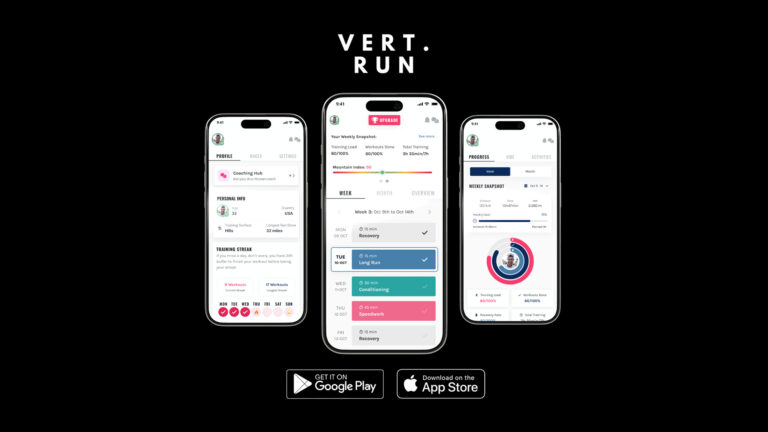
Share your goal or next race. We’ll build your training plan.
From $9.90/month.



If you had to build a simple “season blueprint” for a trail or ultra runner, what would the three non-negotiables be?
Coach Steve:
- Base before race: A consistent, aerobic foundation that makes everything else possible.
- Strategic rest: Plan cutback weeks and downtime just as intentionally as peak weeks.
- Race specificity: The final 8–10 weeks should reflect the terrain, duration, and demands of your A-race as closely as possible.
Coach Francesco:
- Consistent training, the simplest, most boring and less shiny, but by far the most effective. Build the capacity to sustain the training that you want to be doing; consistency comes from establishing a rhythm you can repeat week after week, not intensity
- Define clear goals and a structure to achieve them: training blocks, focused period of training and peak, but also deliberate rest and recovery.
- Give every race or big effort a clear purpose. Not every event is a performance, some are long runs, skill builders, nutrition tests, or simply experiences. When every race has a defined role, your season becomes coherent instead of chaotic, and you avoid the trap of chasing intensity or comparison all year long.
Coach Manu:
- Choose a race that matches the season you’ll be training in. Your environment influences your preparation. If your race is in hot or mountainous conditions but your training season doesn’t allow you to simulate that at all, it becomes much harder to show up ready.
- Pick a distance that fits the time you actually have to train. Longer races demand longer buildup, more weekly volume, and more recovery. Make sure the race distance aligns with your schedule, availability, and life load.
- Set a race date that gives you enough runway. You need a realistic timeline to build fitness, adapt to the load, and arrive healthy. A race that’s too soon usually leads to rushed training and unnecessary stress.
Coach Adam:
- Build in frequent recovery or easy weeks. Consistency comes from managing load well. Regular down weeks help you absorb training, avoid burnout, and keep progressing without interruption.
- Be smart with your B and C races. These should support your main goal, not compete with it. Use them as practice, fitness checkpoints, or confidence builders, not extra stress.
Give yourself a long enough runway for your A race. A solid training block makes everything smoother. Rushing the buildup is one of the fastest ways to show up tired, underprepared, or injured. - Do weekly conditioning, strength, mobility, and soft tissue work. Durability matters. Keeping your body strong and moving well is what allows you to actually complete the plan and arrive healthy on race day.
Coach Nico:
- Periodization blocks: Base building first, then specific preparation, then taper. No shortcuts.
- Progressive overload: Increase volume or intensity gradually—never both at same time.
- Recovery weeks: Plan down weeks. Adaptation happens in rest, not in training.
What’s one thing most runners don’t plan for that ends up making a massive difference on race day?
Coach Steve:
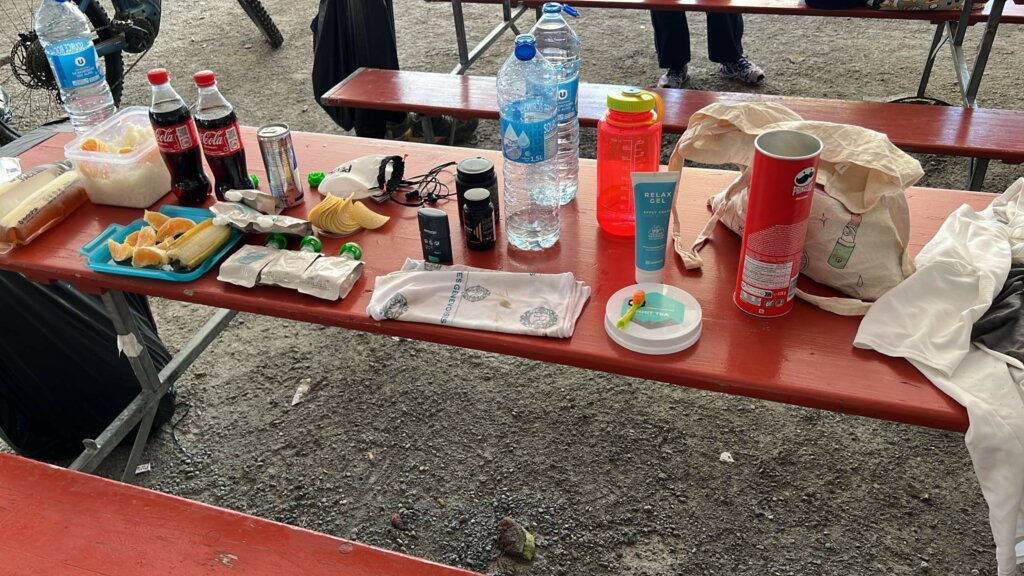
Training your fueling strategy. Most runners under-fuel in training and don’t train their gut. Getting in enough carbs/hour (regardless of source), consistently and practicing with real race-day timing, pacing, and products can make a night-and-day difference in endurance, focus, and recovery.
Coach Francesco:
Providing that their training was solid (not just the preparation leading up to that specific race, but their overall foundation), I think many people make mistakes during the taper, and that ends up making a massive difference on race day, showing up on the start line not rested enough or not activated enough, thus unable to translate their potential into a performance.
Coach Manu:
Nutrition before, during, and after the race is something many runners treat as an afterthought, but it can completely change how your day goes. It is worth planning your fueling strategy with the same care as your training plan: what you eat the day before, how many carbs and fluids you take per hour during the race, and how you recover afterward. When you practice this in training and show up on race day with a clear nutrition plan, everything from your energy to your mood and recovery improves.
Coach Adam:
Many runners underestimate the small, practical things that can blow up a race. Blisters, for example, can start as a tiny hotspot and turn into a reason to slow to a walk if you have not tested socks, shoes, and taping in training. Weather can also change everything, whether it is heat, cold, wind, or a sudden storm, so you need a plan for more than just a perfect day. Nutrition and gut issues are another big one. Even very fit athletes can end up stuck if their stomach shuts down, which is why you should practice fueling, hydration, and timing well before race week. On top of that, gear can fail at the worst moment, from headlamps and soft flasks to poles and packs. It always pays to think ahead and have backup solutions and alternative options ready so that small problems do not end your race.
Coach Nico
Specificity of training conditions. Most runners train in their comfort zone, then race in different conditions. If your race is hot, hilly, or technical, you need prepare specifically for these elements weeks before—not hope you adapt on race day.


Build a training plan around your next goal
Share your goal or next race. Vert.run creates a training plan tailored to your experience, schedule, and terrain
Bonus Question:
What’s one thing you personally are changing or focusing on in your own 2026 season?
Coach Steve:
I’m prioritizing strength and mobility in the off-season—on purpose. I’ve learned that making space for non-running work now pays off with more resilience, fewer injuries, and better performance once race training kicks in. It’s easy to overlook, but it’s where a lot of gains are hiding.
Coach Francesco:
I am planning to focus more on running economy, spending more time and giving more importance to running technique, drills, plyo, rope jump and such, trying to be consistent throughout the season. I am also planning to increase my training volume (3-5% on year basis) and that demands better intensity control, especially on easy days: I can’t afford to run too fast when I need recovery, even if I might be feeling decent on the day.
Coach Manu:
For my own 2026 season, I want to put more emphasis on core training and stretching instead of thinking only about running. I know that building a stronger, more stable body and keeping mobility in a good place will help me stay healthy, handle more load, and move better on technical terrain. So my focus will be on making those sessions as non-negotiable as my runs, rather than treating them as something I only do when I have extra time.
Coach Adam:
For my own 2026 season, I’m keeping the race calendar light and shifting more energy toward strength and cross-training. Fewer races means better quality training blocks and more room to stay consistent. Adding extra strength and cross-training sessions will help me stay durable, build power, and avoid the setbacks that come from relying only on running. This balance is what I’m aiming for heading into the new year.
Coach Nico:
For my own 2026 season, I want to focus much more on consistency than intensity. I’m working on building a stronger aerobic base with more volume at comfortable paces instead of chasing hard workouts all the time. I know I make better progress when things feel sustainable, so that is the approach I want to commit to in the year ahead.

A stronger season starts with clarity and we are here to help you find it
Planning a season isn’t about perfection. It’s about clarity, priorities, and giving yourself the space to train in a way that matches your real life. Looking across all the coaches’ answers, the themes repeat for a reason:
- fewer races,
- clearer purpose,
- smarter structure,
- more recovery, and a stronger, more durable body.
When you approach your year with that mindset, your training stops feeling chaotic and starts becoming something you can actually build on.
No matter where you are starting right now, whether you are already training, coming back from a break, or still deciding what you want 2026 to look like, you do not need to overhaul your entire life to have a great season. You just need a plan that makes sense for you and the patience to stick with it.
Take your time choosing the right goals. Give each race a clear purpose. Build a season that leaves room for real life instead of one that relies on everything going perfectly. If you can do that, you are already ahead of most runners.
Your 2026 season starts the moment you decide it does. Build it with intention and make it one you are proud of.
Share your goal or next race. We’ll build your training plan.
From $9.90/month.