A backyard ultra pacing strategy has two jobs. You need to finish each 6.706 km (4.167 mile) yard inside the hour, and you need to arrive with enough time and energy to start the next one. Running every early loop as fast as you can solves only the first job. The better target is a repeatable loop that leaves a useful reset window without forcing you to run harder than the terrain and conditions allow.
This guide helps you choose that loop target, split it across the course, use the minutes between starts, and adapt when darkness, weather, or fatigue changes the race. If you are still building the fitness and specific practice to hold the rhythm, start with our backyard ultra training plan. That guide covers the preparation block; this one covers the race-day system.
The quick answer: what pace should you run in a backyard ultra?
Start with a loop time you can repeat at relaxed effort while leaving roughly 10 to 15 minutes before the next start. On many courses that means finishing around 45 to 50 minutes, but there is no universal target. A hilly or technical yard may require a smaller break; a flat one may allow an easier moving pace and a longer break. Practice the actual course or a close match, then choose the slowest effort that gives you enough time to eat, drink, handle a small problem, and return to the corral before the bell.
The official Backyard Ultra rules require a new start every hour, no late starts, and completion of each yard inside its hour. Check your own race briefing for its course, aid setup, and local instructions. The clock does not pause because your shoes need changing.

Choose a loop target by working backward from the next start
Do not choose a number because another runner uses it. Time the course at easy effort and write down what you actually need between yards. A two-minute drink and food stop is different from a shoe change, bathroom trip, or cold-weather layer change.
Loop finish | Time until next start | What it may allow
|
|---|---|---|
45 minutes | 15 minutes | A calmer food, clothing, and bathroom reset, if the faster running still feels easy |
48 minutes | 12 minutes | A practical starting target for many runners who can hold it without pushing |
50 minutes | 10 minutes | A shorter but workable reset when food and gear are ready |
52 minutes | 8 minutes | Little margin for a queue, stomach issue, shoe problem, or missed item |
These are examples, not a ranking of good and bad times. Fifteen minutes of rest is not worth much if getting it costs a hard effort every hour. Eight minutes can work for a while, but it gives small problems room to become race-ending ones. Choose a target with the whole hour in mind.
Make a simple test in training: run four to six hourly yards at your proposed effort. Record finish time, effort, how much of the break you actually use, and whether you are ready to start again at the bell. If the finish times stay steady but the effort rises sharply, the target is too ambitious for your current course or conditions.
Pace the course, not just the average
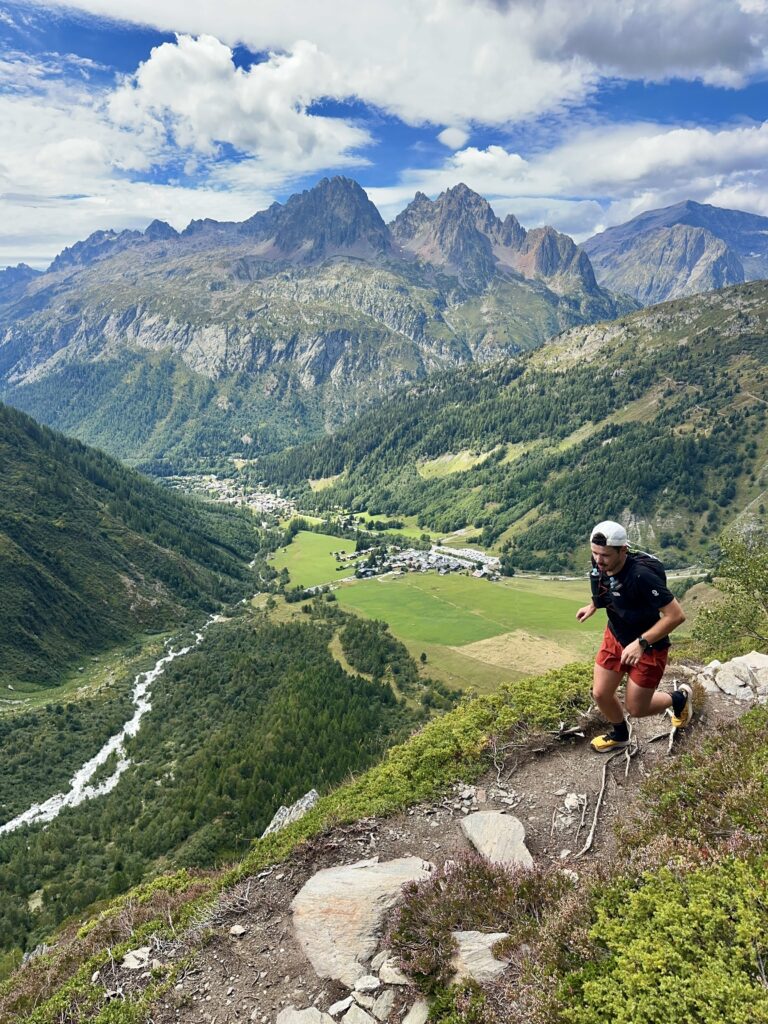
An average pace can hide a poor first half. Learn where you can move economically and where walking saves more than running. On a loop with climbs, hike the steep sections early if running them raises your breathing or makes you work. Run easy on smooth ground. Treat technical descents as a place to preserve your legs and footing, not a place to win back seconds.
Use two or three landmarks as checks rather than staring at instant watch pace. You might reach the first climb relaxed, finish the technical section without rushing, and arrive at the final kilometer with time to spare. If you are behind target at one landmark, first ask whether the course or conditions changed. A desperate surge may buy a minute now and cost far more on later yards.
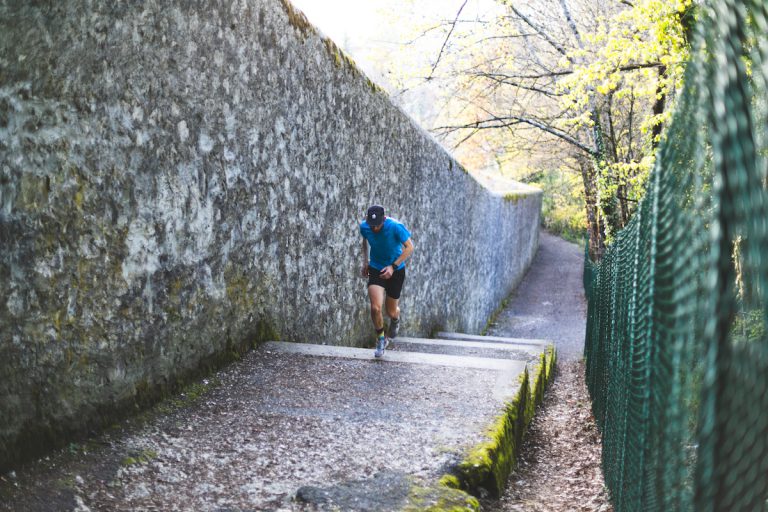
Your run-walk plan should begin before you feel forced to walk. A short planned walk on each climb, or a brief walk at an aid point where rules permit it, can keep the effort even. Do not copy another runner’s pattern without testing it. The right pattern is the one that produces steady arrivals while keeping your breathing, legs, and stomach under control.
─ Vert Pro • Train for the next yard.
Practice the loop.
Be ready to restart.
Build a backyard ultra plan around steady effort, fueling practice, and the time you have to train. Rehearse the full hour before race day.
Protect the minutes between yards
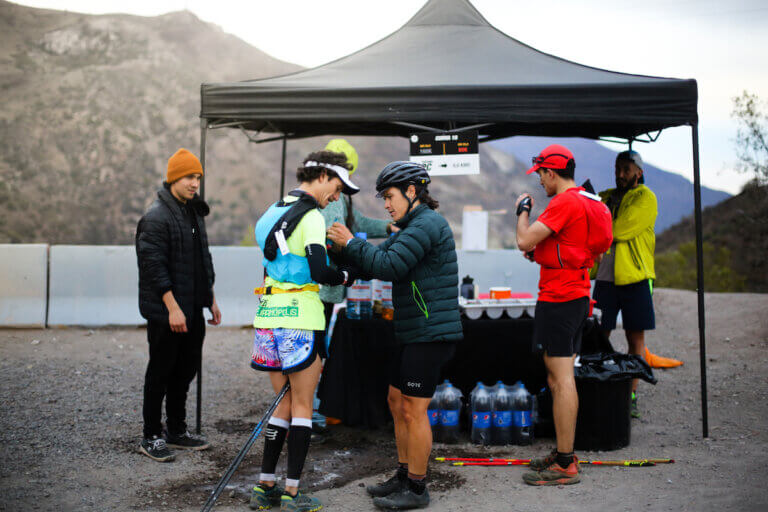
The reset window is part of the pace plan. Decide what happens in the first two minutes after each finish, then what happens before the three-minute warning. Keep food, bottles, spare layers, lights, and foot-care items in fixed places so you do not spend the break searching.
Use a repeatable order:
- Finish the yard and note your time and effort.
- Drink and take the food you planned for this hour. Use the Vert Nutrition Planner to prepare a fueling idea, then test it in training rather than inventing it late in the race.
- Solve one immediate issue, such as a wet layer, hot spot, or low headlamp battery.
- Check the next yard’s conditions and place what you need within reach.
- Return to the starting corral before the warning, with enough time to start calmly.
Keep a short note on paper or with your crew: yard number, finish time, what you ate and drank, and one issue to watch. A simple record helps you spot drift without trying to remember twelve similar hours. If you have crew, agree who is responsible for bottles, food, and clothing before the event. If you race solo, make the setup even simpler.
Adjust when the race changes
If your loop time starts drifting
One slow yard does not mean the plan has failed. Check whether the cause is a crowded section, heat, mud, a bathroom stop, or rising effort. Fix what you can at the next reset. If the course is unchanged and the effort keeps climbing, stop chasing the original split by running harder. Shorten optional tasks in the break, keep essentials ready, and choose the most economical movement you can still repeat. If you cannot finish safely within the hour, respect the limit rather than risking an injury to save the yard.
If darkness arrives
Expect the same terrain to take longer when visibility falls. Prepare your light and spare battery before the first dark yard. Walk technical ground when that keeps you safer and steadier. Aim for a controlled finish, even if the reset window shrinks. A night yard is a poor time to force your daylight split. Practice at least some low-light yards in training if your goal could take you past sunset.
If heat, cold, or rain changes the course
Heat may slow you even when your effort is unchanged. Cold rain can make a long stop uncomfortable, while slick ground can turn a fast descent into a bad gamble. Adjust layers, drink to your conditions and thirst, and use the break to get dry or cool down as needed. The target is still to make the next start with enough energy to continue. The exact number of rest minutes may change through the event.
If your stomach or feet need attention
Do not ignore a problem because you are protecting a perfect split. A short, deliberate stop to change socks, treat a hot spot, or swap a food that no longer works can preserve later yards. Put the task into the next break if it can wait. If it cannot, handle it on the current yard where race rules allow, then return to an easy rhythm. Your system should be flexible enough to absorb a problem without turning every hour into a sprint.
A simple plan for your first yards
Write a one-page race card before the start:
- Target finish range: For example, 47 to 50 minutes on a course where that feels genuinely easy in practice.
- Course landmarks: Two or three points that tell you whether the effort is on track.
- Planned walks: Name the climbs or sections you will walk from yard one.
- Reset order: Food and drink, one problem to solve, gear for the next yard, back to the corral.
- Change rule: If effort rises for two or three yards at the same pace, ease off and reassess instead of forcing the split.
The first few yards should feel controlled enough that you could talk in full sentences. Watch what the course does to your legs and your reset time. You can refine the finish range after you have real evidence, but avoid the temptation to bank time by racing early. You cannot carry unused minutes into the next hour.
If your goal is your first backyard ultra, a fixed yard target can help you plan logistics, but it should not make you run the opening hours at goal-race effort. If you hope to continue through a second night, the same rule matters even more: save decisions and physical effort where you can. You only need to run the yard you are in and be ready when the next one begins.
Practice the full hour before race day
A backyard session should rehearse running, stopping, eating, and restarting, not just the distance. Use three yards to learn the mechanics and four to six when your training supports a longer simulation. Try the food, shoes, chair, layers, and light you expect to use. Record both moving time and how much of each reset you spend doing something useful. Then recover properly. You do not need to exhaust yourself in training to prove that the plan works.
For the weeks that build toward this rehearsal, see the complete backyard ultra training guide. It covers aerobic work, strength, long efforts, and when to place specific loop sessions. If you want a plan built around your own race, terrain, and available training time, start your VertPro free trial.
Backyard ultra pacing questions
Is it better to run faster and rest longer?
Only when the faster loop still feels easy and repeatable. A longer break can help with food, clothing, and foot care, but it does not repay a hard effort repeated every hour. Practice a few target times and compare how you feel at the next start.
How much time should I leave between loops?
Roughly 10 to 15 minutes is a useful first test for many runners, not a rule. Choose your break from the course, your easy effort, and the tasks you need to complete. Keep margin for small delays.
Should I walk during a backyard ultra?
Yes, if planned walking keeps your effort steady. Walking a steep climb from the first yard can be more useful than waiting until you are exhausted. Practice where to walk on a course like your race course.
What if I finish a yard later than planned?
Check the cause before changing pace. Fix a gear or fueling issue if there is one, and shorten optional break tasks. Do not repeatedly surge to recover an arbitrary target time. The required deadline is the next hourly start.
─ Vert Pro • Prepare for your backyard ultra.
Build the fitness for every loop.
Bring your race plan to life.
Get a trail and ultra training plan built around your goal, schedule, and terrain. Arrive ready to run, reset, and go again.