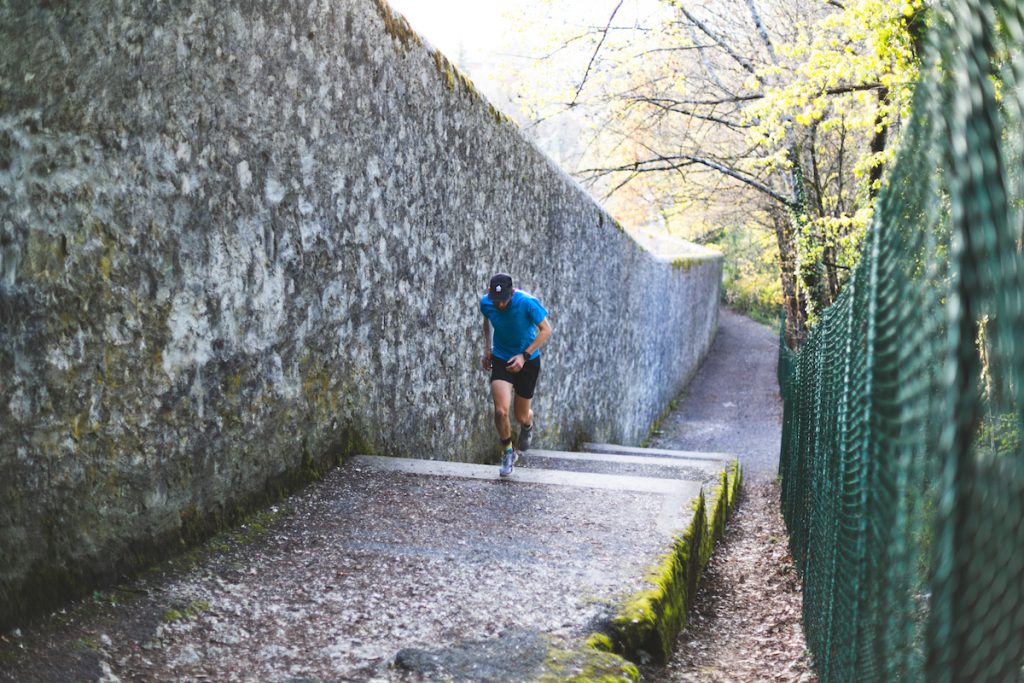
StairMaster workouts can help trail and ultra runners build climbing strength when hills are unavailable
For trail runners, the best StairMaster sessions are not about chasing a calorie number or racing the display. They are about practicing steady climbing, using posture and cadence you can carry into a race, and fitting that work around your running rather than on top of it.
Quick answer: is StairMaster good for trail running?
Yes, especially when climbing is the limiter and you do not have consistent access to hills. A StairMaster can help build the leg strength and sustained aerobic work needed for long climbs. It does not teach technical footing or prepare your quads for downhill impact, so it works best as one piece of a trail-running plan, alongside easy running, strength work, and real trail time when available.
Start with one session per week. Keep the machine resistance and pace low enough that you can remain tall, relaxed, and in control. Build duration before you build intensity.

What a StairMaster can and cannot train
The movement is useful because every step is an uphill push. Your calves, glutes, and quads work repeatedly while your heart rate rises in a predictable environment. That makes it easier to practice a climbing effort when a nearby hill is either too short, too steep, or unavailable.
It is particularly helpful for runners preparing for races with long sustained climbing, runners living in flat cities, and runners who need an indoor substitute during travel or bad weather. It can also be a sensible low-impact alternative to adding another hard downhill run when your legs are already carrying a big training load.
There are limits. A StairMaster does not reproduce uneven terrain, descents, poles, altitude, or the pacing decisions of a long mountain race. Do not use the vertical-gain number on the console as a direct replacement for race elevation. Treat the machine as a controlled climbing stimulus, then use your plan and actual terrain to decide how it fits your goal.
How to use a StairMaster workout for trail runners
Keep your hands light on the rails or avoid them when balance allows. Pulling your body upward with your arms changes the work and usually makes the display look more impressive than the training stimulus really is. Stand tall, take deliberate steps, and let your legs carry the load.
Use the pace you can sustain with good form. On most sessions, you should be able to speak in short sentences. If you need to hunch over the console or cannot control your breathing, lower the level. The aim is repeatable climbing strength, not a one-off test.
For a trail marathon, 50K, or longer ultra, long steady work is usually more valuable than an all-out short effort. Faster intervals still have a place, but they should support the rest of the week instead of leaving your legs too tired for a long run or quality trail session.
─ Vert Pro · Vert Coaching: Vert: Built for your trail goal.
Build climbing confidence for your next trail race.
Get a personalised trail-running plan that adapts to your terrain, available time, and race goal, so every climb has a purpose.
StairMaster workout 1: short climbing intervals
Use this session when you have limited time and want a controlled uphill effort without a full hard workout.
- Warm up for 10 minutes at an easy level.
- Complete 6 repetitions of 2 minutes at a strong but controlled climbing effort.
- Recover for 2 minutes at an easy level between repetitions.
- Cool down for 5 to 10 minutes.
The hard portions should feel purposeful, not maximal. You should finish the sixth repetition able to maintain the same posture and step quality as the first. If your cadence falls apart, reduce the level next time rather than forcing it.
This session fits well after an easy-running day or in place of a short hill-interval workout when there are no usable hills nearby. Do not pair it with another demanding leg session on the same day unless that combination is already part of a plan you recover from well.
StairMaster workout 2: steady climbing endurance
This is the default session for most trail runners. It develops the patience and leg endurance needed for long climbs without requiring a punishing intensity.
- Warm up for 10 minutes.
- Climb steadily for 25 to 40 minutes at an easy-to-moderate effort.
- Keep your breathing controlled and your hands off the rails as much as possible.
- Finish with 5 minutes easy.
Newer runners can begin with 20 minutes of steady work. More experienced runners can gradually extend the main block to 45 or 60 minutes, but only when it does not compromise the long run, recovery, or quality running elsewhere in the week.
Think of this as a substitute for sustained uphill aerobic work, not a test of how much vertical gain you can collect. It should leave you trained, not wrecked.
StairMaster workout 3: ultra-specific long climb
Use this session only after you have built consistency with the shorter options. It is a practical way to rehearse continuous climbing for a mountainous 50K, 100K, or 100-mile event when terrain access is limited.
- Warm up for 10 minutes easy.
- Complete 3 blocks of 15 minutes of steady climbing.
- Between blocks, take 3 minutes very easy while you drink and reset.
- During the final block, practice the calm, sustainable effort you expect to use early in a long race.
- Cool down for 5 to 10 minutes.
The purpose is not to mimic race elevation exactly. It is to practice sustained muscular work, fueling attention, and conservative pacing. If you are training for a shorter event, replace this session with the steady climbing workout instead.
How StairMaster workouts fit into a trail-running week
One session each week is enough for most runners. Two can work during a flat-season block, but only if one is easy and your legs are recovering normally. A simple progression might look like this:
Training phase | Practical StairMaster use |
Returning to climbing work | 20 to 30 minutes steady once each week |
Building for a trail marathon or 50K | One steady session plus occasional short intervals |
Building for a mountainous ultra | One steady or long-climb session; use intervals only when recovery is strong |
Race taper | A short, easy session early in the week, or skip it if legs feel flat |
Put the session after an easy run, on a separate easy day, or in place of a hill workout. Do not use it to stack extra fatigue on top of your long run, strength session, and speed work. If you are unsure how to balance climbing, recovery, and your race goal, a structured trail marathon training plan or 50K training plan gives you a better starting point than adding hard sessions at random.
StairMaster versus treadmill incline, hills, and stairs
Each option solves a slightly different problem.
Option | Best use | Main limitation |
StairMaster | Controlled sustained climbing and muscular endurance | No descending or uneven footing |
Treadmill incline | Continuous running or power hiking at a chosen grade | Can feel mechanically repetitive |
Outdoor hills | Race-specific climbing, terrain, and pacing practice | Not always accessible or safe |
Stadium stairs | Short, powerful climbing efforts | Harder to control and recover from |
If you have real hills, use them. If you do not, a StairMaster and incline treadmill can give you useful climbing work until you can get onto terrain again. For a broader set of city-runner options, see our hill-training guide for runners without mountains.
Do not forget downhill strength
Climbing is only half the problem in a hilly race. A StairMaster has almost no eccentric downhill loading, which is why runners can feel prepared for the ascent but still struggle with sore quads on long descents.
Keep a basic strength routine in your week, especially step-downs, split squats, calf work, and single-leg control. Add controlled downhills outdoors when your routes and training phase allow. Our strength training for runners guide can help you build that capacity without treating every gym session like a second race.
Common StairMaster mistakes for runners
The most common mistake is using a level that is too hard. When the machine becomes a survival effort, runners lean heavily on the rails, shorten their movement, and turn a useful climbing session into a fatigue cost that disrupts the rest of the week.
Other mistakes include adding long StairMaster sessions too quickly, treating console vertical gain as race-specific elevation, and using it as a substitute for every outdoor hill. Begin with one session, increase only one variable at a time, and protect the sessions that matter most for your goal race.
Skip the session when you have a sharp pain, unusual fatigue, or a heavy downhill session already in your legs. Consistency is more useful than forcing a workout that takes days to recover from.
Make the workout fit your race
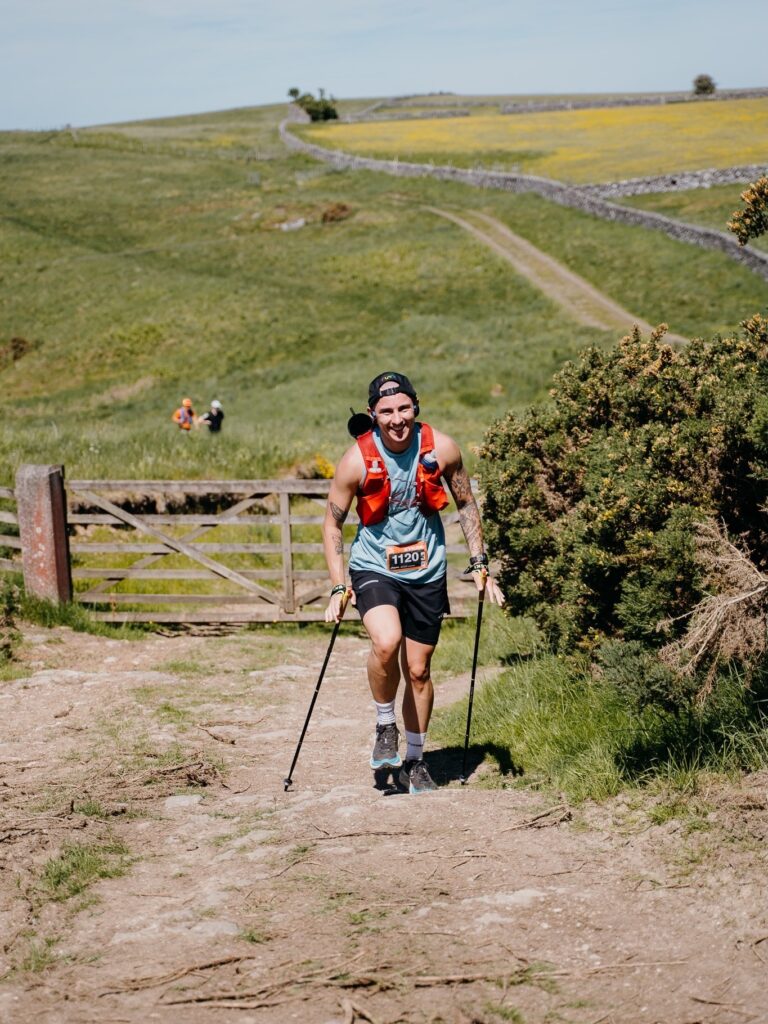
The right climbing dose depends on your course, your current running, and the elevation you can access. A runner preparing for a rolling trail marathon needs something different from a runner building for a mountainous 100K. Use the Race Time Predictor to understand the likely demands of your race, then use Vert to fit climbing work into a plan that reflects your event rather than a generic weekly target.
Want a trail-running plan that accounts for your elevation, available terrain, and recovery? Start your free Vert trial.
FAQ
Is StairMaster good for ultra training?
Yes. It can build sustained climbing strength and aerobic endurance when you lack hills, especially for a mountainous ultra. Use it alongside running, strength work, and real terrain whenever possible. It does not prepare your legs for technical descents by itself.
How long should trail runners use the StairMaster?
Most runners can start with 20 to 30 minutes once per week. Build toward 40 to 60 minutes of steady work only when it fits the rest of your training and you recover well.
Is StairMaster better than a treadmill for trail running?
Neither is universally better. A StairMaster is useful for sustained stepping and climbing strength. An incline treadmill is better when you want to run or power hike continuously at a chosen grade. Both can support trail training when hills are unavailable.
Can StairMaster replace hill training?
It can replace some uphill work when hills are unavailable, but it cannot replace trail-specific footing, descents, and outdoor pacing. Use it as a practical substitute, not a complete replacement for terrain.
Should I hold the rails on a StairMaster?
Use the rails lightly for balance if needed, but avoid pulling yourself upward. Choose a level that lets you stay tall and controlled with minimal support.
─ Vert Pro · Vert Coaching: Built around your first trail goal.
Ready to take your climbing further?
Start with your plan.
Tell Vert about your terrain, available time, and race goal. Get a personalised plan that helps you build confidence on every climb.