Winter does not need to be a training shutdown. It can be your most consistent block of the year if you keep it simple: dress right, warm up properly, choose safe routes, and adjust effort when conditions change.
In this guide you will get:
- A practical gear checklist,
- Safety checklist for cold, darkness, and ice.
- A simple consistency plan so you keep training even when motivation is low.
WINTER TRAINING QUICK CHECKLIST (SAVE THIS)
- Route: well-lit, low traffic, minimal ice risk (avoid shaded descents if it froze overnight).
- Visibility: headlamp or chest light, plus reflective top layer.
- Hands and feet: gloves you can run in, warm socks, and a traction plan if needed
- Warm-up: start easy, build gradually, do not sprint cold.
- Exit plan: if you get wet or numb, shorten the session and get indoors fast.
Coach note: In winter, consistency beats hero workouts. The goal is finishing the run warm enough to recover well and train again tomorrow.
Keep training, without guessing.
Share your next race or spring goal. We’ll build a plan that fits your winter conditions.
Why Training in Winter Matters
It’s easy to overlook the importance of maintaining an exercise routine in winter, but skipping workouts during the cold months can lead to setbacks that are hard to recover from. Winter training isn’t just about preventing fitness loss — it’s about gaining physical and mental resilience that will benefit you in the long run.
Physical Benefits
If you have spring or summer goals, winter is where your season starts.
Keep training through the cold months and you protect the fitness you built all year. Take the winter off and you will spend the first weeks of spring just getting back to baseline instead of progressing.
Winter is also the perfect time to build your foundation: steady aerobic work plus simple strength and durability. Do that now, and when the weather improves you can ramp training with less risk and better performance.
Mental Health Benefits
Some people find their mood dips in winter, from mild “winter blues” to seasonal affective disorder (SAD), a form of depression that often shows up during the colder, darker months.
Regular training can help. Movement is consistently linked to better mood and lower depression symptoms, and it gives you structure, better sleep, and a sense of progress when days feel heavy. If you can get outside during daylight, even a short easy session adds the extra boost of natural light.
Coach note: On low-motivation days, the win is showing up. A 20 to 30 minute easy run or brisk walk is enough to shift your state and keep the habit alive.

Gear Up: Essential Winter Training Equipment
The right gear can make or break your winter training experience. When you’re facing icy roads, cold winds, and early sunsets, wearing the proper clothing isn’t just about comfort — it’s about safety and performance. Here’s what you need to ensure you stay warm, dry, and safe on your winter workouts:
Layering for Success
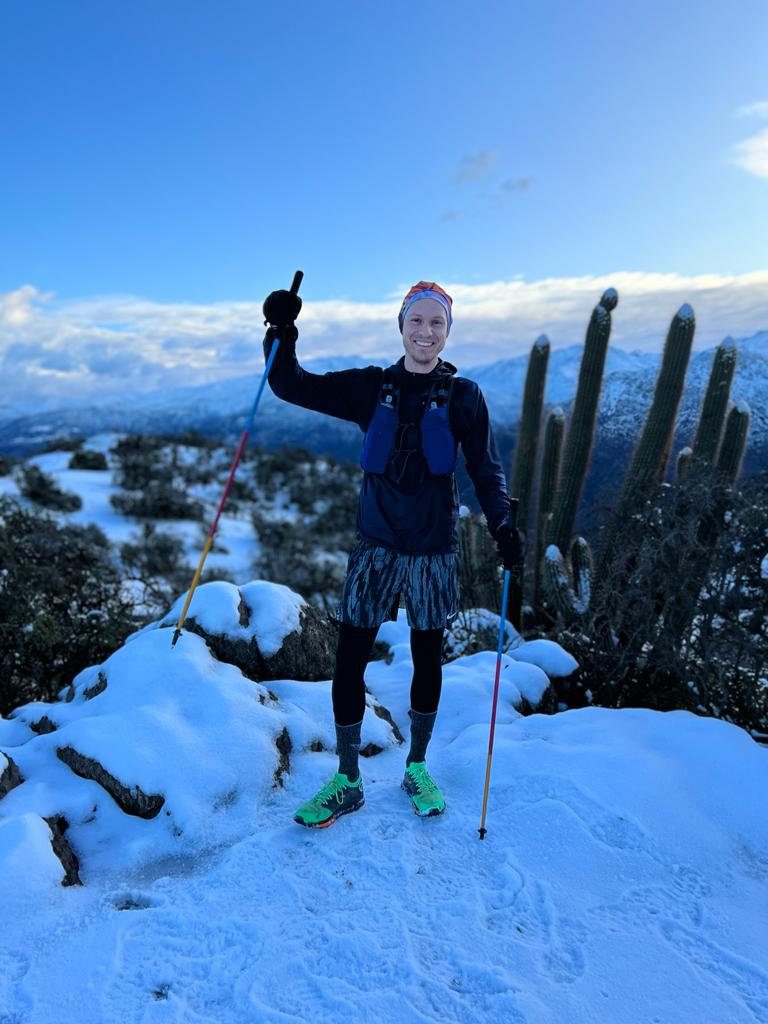
Layering is the key to winter training. Aim for warmth without trapping sweat.
- Base layer: moisture-wicking (merino or synthetic). Skip cotton, it holds moisture and makes you cold.
- Mid layer: insulation for warmth (fleece works well).
- Outer layer: windproof, weather-protective, and breathable so you do not overheat.
- Lower body: thermal tights or pants that let you move freely. Add reflective details if you run in low light.
Footwear
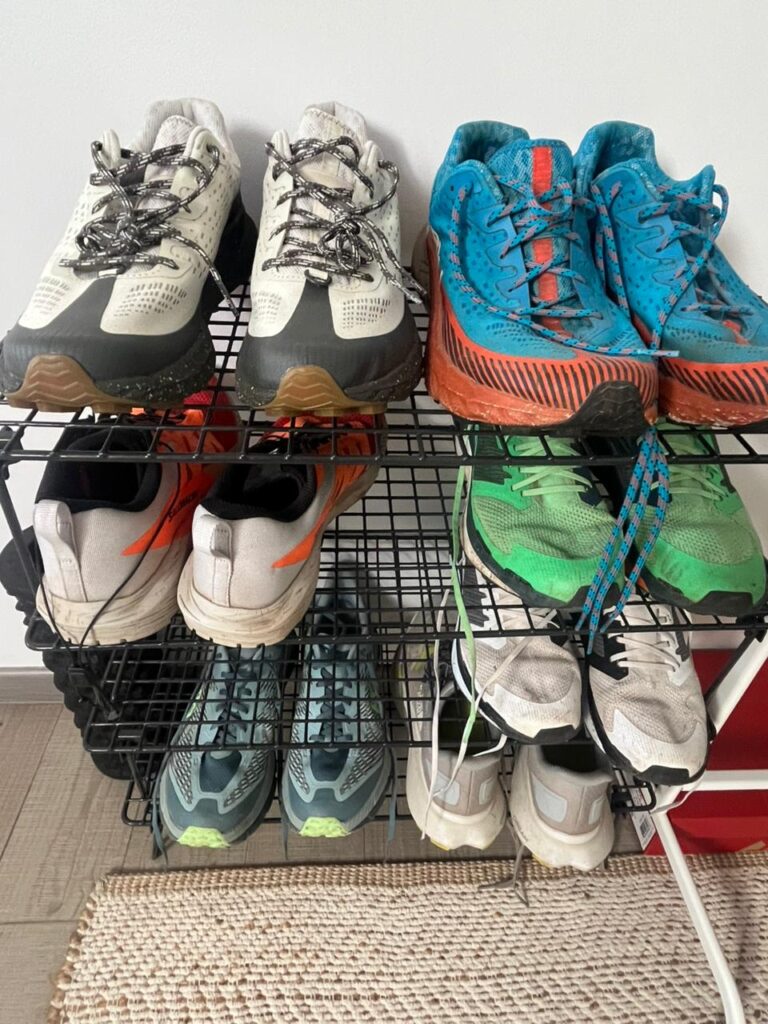
Footwear in winter is mostly about traction and staying dry enough to avoid numb feet.
Practical rules:
If you might hit ice, do not rely on “better grip” road shoes. Use trail shoes with deeper lugs or add removable traction.
Use removable traction (microspikes style) on days with packed snow, frosty sidewalks, or shaded sections that stay icy. Take them off if you are on clean pavement for long stretches, they wear fast and can feel unstable.
If it’s slushy or wet, prioritize water resistance and warm socks. Wet feet get cold fast.
Size your socks and shoes properly: a slightly thicker sock is good, but do not cram your toes. Cold toes often come from shoes that are too tight.
If the route is mixed (some ice, some clear), pick a loop where you can bail out or adjust. Or move the run indoors and save the “quality” for a safer day.
Coach note: When traction is questionable, keep the run easy. Speedwork and fast downhills can wait.
Accessories
Winter can be hard on your extremities, so investing in high-quality gloves, hats, and socks is critical. Choose gloves that offer both warmth and moisture-wicking properties, as well as a good fit to ensure dexterity. A thermal running hat or beanie will help retain heat in your head and ears, while wool or moisture-wicking compression socks will keep your feet warm and dry.
Lastly, given the short days and long nights, reflective gear is a must for visibility. Invest in a reflective vest or wear reflective tape on your gear, and always carry a headlamp or clip-on light if you plan to train in the dark.

LAYERING CHEAT SHEET (SIMPLE AND EFFECTIVE)
- Base layer: moisture-wicking. If it holds sweat, it will make you cold later.
- Mid layer: warmth you can vent or unzip when effort rises.
- Shell: wind protection first, then rain protection if needed.
- Legs: tights that stay warm in wind, not just when you are moving.
- Extremities: gloves and a hat are not “nice to have”. They decide how long you can run.
- Visibility: reflective vest or bands, plus a front light in low light.
Coach note: Dress for the first 10 minutes to feel slightly cool. If you feel perfectly warm standing outside, you are probably overdressed for running.
Staying Safe In Cold Conditions
Winter training requires extra attention to safety. Cold weather can make training more difficult, and harsh conditions can lead to a higher risk of injury. Here are a few precautions to keep in mind:
BAD CONDITIONS DECISION GUIDE
- Ice you cannot avoid: switch to treadmill, indoor bike, or strength. Do not gamble on downhills.
- High wind + cold: shorten the session and keep effort controlled. Wind chill changes the game.
- Snow: run by effort, shorten stride, avoid fast descents.
- Darkness: choose a loop you can bail from, bring a light you trust.
- When in doubt: move the quality indoors and keep the outdoor session easy.
Coach note: Protect the training week. One risky run can cost you 7 to 14 days.

Warm Up Properly
Cold temperatures can make your muscles stiffer, which increases the likelihood of injury. Warming up thoroughly before your workout is crucial to ensure your body is ready for physical activity. Focus on dynamic movements like leg swings, arm circles, and bodyweight squats to get your muscles loose and blood flowing.
Avoid Overexertion
Pacing yourself in winter conditions is essential. Cold weather can make it harder to judge your level of exertion, so it’s important to be mindful of how your body is responding. Try not to push too hard, especially if you’re not used to cold-weather exercise. Starting with shorter, less intense workouts is a good way to ease into the season.
Check Weather and Conditions
Always check the forecast before heading out for a winter workout. Weather can change rapidly, and what started as a mild morning can quickly turn into a hazardous situation. If there’s heavy snow or ice, or if the temperatures are dangerously low, it may be safer to postpone your workout or opt for an indoor training alternative.
Know the Signs of Hypothermia and Frostbite
Winter training can put you at risk of hypothermia and frostbite, so it’s crucial to be aware of the warning signs. If you start feeling excessively cold, shivering uncontrollably, or experiencing numbness in your extremities, stop your workout immediately and seek shelter. Make sure to wear enough layers to protect your skin from frostbite, particularly in your fingers, toes, ears, and nose.
Staying Motivated Through The Cold
One of the toughest parts of winter training is staying motivated. The cold, the early sunsets, and the cozy indoors can make it hard to stay committed to your fitness goals. However, there are strategies to help you keep pushing through:
Focus on Strength
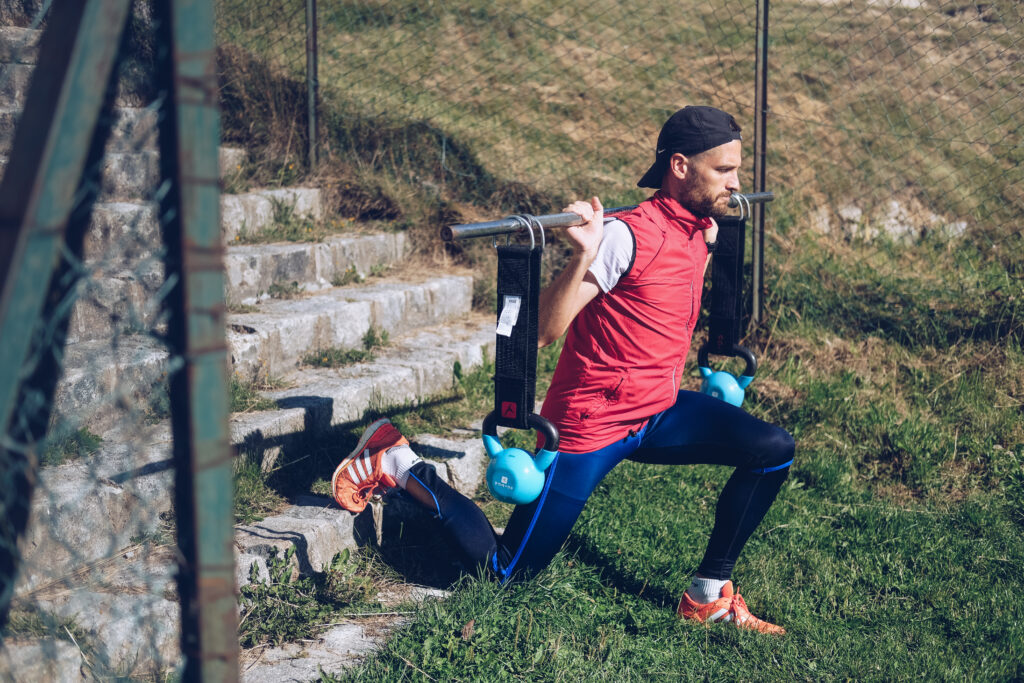
Winter is a solid time to build the stuff that is hard to prioritize in peak training: strength, stability, and durability. Two short sessions a week can clean up common weak links (glutes, calves, hamstrings, core) and make you more resilient when you ramp volume in spring.
Set Realistic, Concrete Goals
Having a specific goal to work toward is a great way to stay motivated during the winter months. Whether you’re training for a race, aiming to increase your endurance, or simply looking to maintain your fitness, setting measurable milestones can give you something concrete to strive for.
Get a Training Buddy
Training with a friend or group can help hold you accountable and make winter workouts more enjoyable. Whether you’re joining a local running group or scheduling workouts with a friend, having a training buddy can make the cold weather feel less daunting.
Mix Up Your Routine
Monotony can lead to burnout, so mix things up through winter. Rotate your runs (easy, steady, short hills or light intervals), and if you feel like it, swap a session for a winter sport like ski touring, cross-country skiing, snowshoeing, or indoor cycling. Different stimulus, same aerobic win, and it keeps motivation high.

Wrapping Up
Winter training works when you stop trying to “win” every session and start protecting consistency. Layer smart, warm up longer than you think you need, choose safe routes, and adjust the plan when conditions change.
Your goal: finish winter healthier, stronger, and more confident, with momentum you can carry into spring.