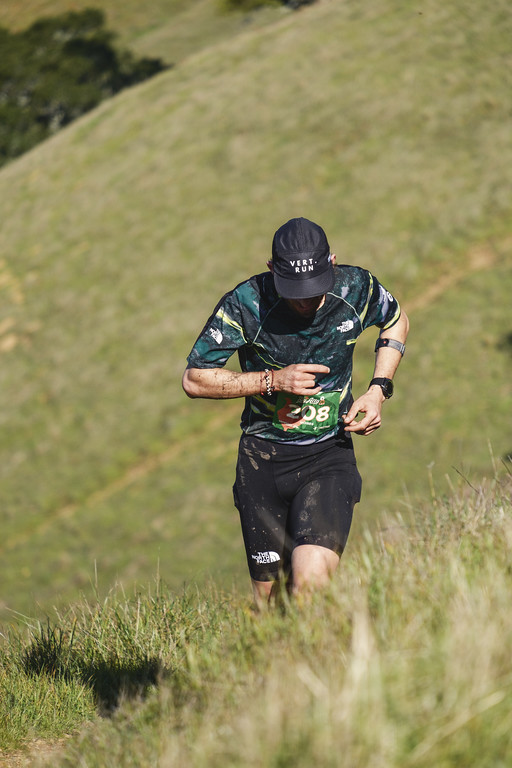
Most recreational trail runners finish a 50K in about 5 to 8 hours. How long it takes to run a 50K depends mainly on the course, elevation gain, weather, and your trail fitness.
A 50K is 31.1 miles. That is only about 5 miles longer than a marathon, but comparing the two by distance can be misleading. Most 50K races are on trails, where climbing, descending, technical terrain, aid stations, and changing conditions all affect your pace.
Typical 50K finish times
Use these ranges as a starting point, not a promise. The same runner can finish two different 50K races several hours apart because the courses demand different things.
Course and runner profile | Realistic finish-time range:
- Experienced runner, fast or runnable course | 4 to 5.5 hours
- Prepared recreational runner, runnable trail course | 5 to 7 hours
- First-time 50K runner, moderate trail course | 6 to 8 hours
- First-time runner, mountainous or technical course | 8 to 10 hours
- Very steep, technical, high-altitude, or difficult conditions | 10 to 12+ hours
The most useful comparison is not a worldwide average. It is the finishing-time distribution from previous editions of your specific race. Look at the median finish, the cutoff, and the results of runners whose experience is similar to yours.
What is a good 50K time?
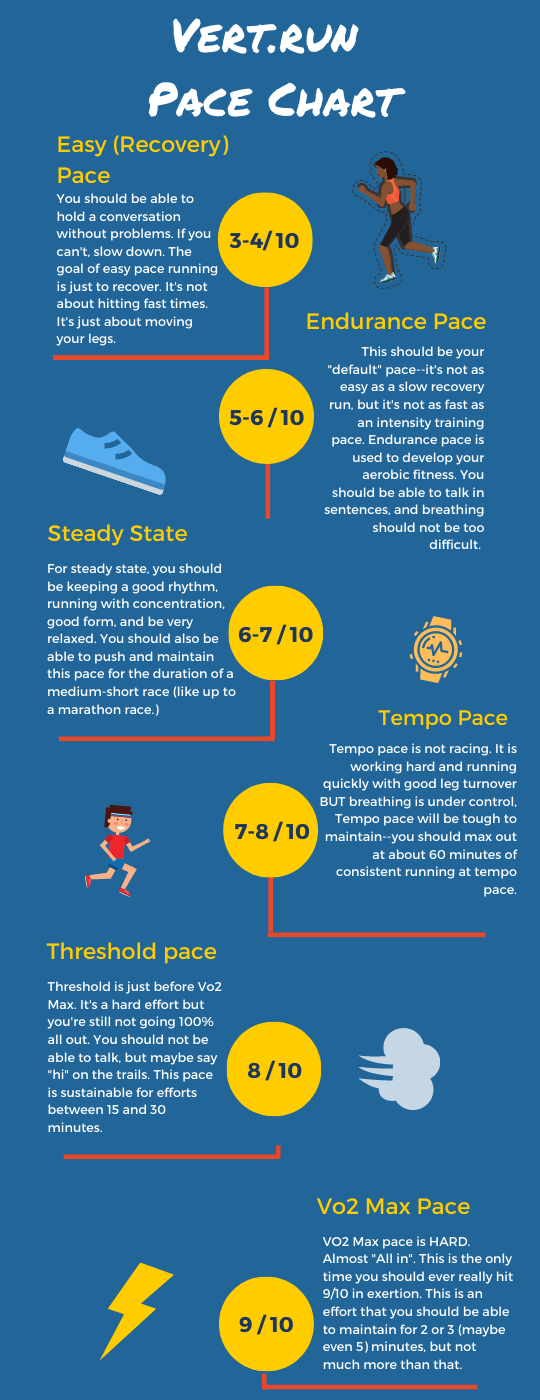
A good 50K time is one that reflects the course and your current ability.
On a smooth, runnable route, finishing under 6 hours can be a strong target for a prepared recreational runner. On a mountain course with major elevation gain, technical descents, or altitude, an 8-hour finish may represent an equally strong performance.
Do not judge a trail result using road pace alone. A pace of 8 minutes per kilometer may feel controlled on one course and be impossible on another. The better question is whether you paced the race sustainably, fueled consistently, and finished close to the level your training supported.
Why 50K finish times vary so much
Elevation gain
Climbing slows every runner, but the effect is not linear. A course with 2,500 meters of gain is not simply a flat 50K with a few slower kilometers added. Long climbs change your stride, increase muscular fatigue, and make later descents harder to run well.
Trail technicality
Smooth dirt roads and buffed singletrack can be very runnable. Rocks, roots, mud, loose scree, river crossings, and steep descents reduce speed even when your effort remains high.
Weather and altitude
Heat, cold, rain, mud, and altitude can add substantial time. They also change hydration, fueling, equipment, and pacing decisions.
Aid stations and race execution
Five minutes at each of six aid stations adds half an hour to your finish. Starting too fast, missing calories, carrying the wrong gear, or struggling late in the race can add much more.
Your trail-specific fitness
Road fitness helps, but it does not fully predict a trail 50K. Climbing strength, downhill durability, technical skill, fueling practice, and time on feet all influence how well your fitness transfers to the course.
How to estimate your own 50K finish time
Start with the course rather than a generic pace chart.
- Find results from the last two or three editions of your race.
- Note the median finishing time and the official cutoff.
- Compare the course’s elevation gain and technicality with races or long training runs you have completed.
- Account for likely weather, altitude, aid-station time, and whether you expect to hike major climbs.
- Build a realistic range instead of one exact target.
For example, your optimistic estimate might assume good weather and clean execution. Your realistic estimate should reflect an ordinary day. Your conservative estimate should account for slower aid stations, heat, stomach trouble, or a difficult final third.
You can use the free Vert Race Time Predictor. It compares your trail fitness with the course profile and historical race data. It is designed for trail races, where elevation and terrain make road-running calculators unreliable.
Does a faster road marathon predict a faster 50K?
It helps, but it is not enough by itself.
A strong road marathon shows that you have aerobic fitness and endurance. It does not show how efficiently you climb, how your legs handle long descents, whether you can move well on technical terrain, or how consistently you fuel over a longer day.
If your 50K is flat and runnable, road fitness may transfer well. If it is mountainous, your trail experience and course-specific preparation will become much more important.
For the full training process, including weekly volume, long runs, strength, fueling, and tapering, read the Vert.run 50K training guide
How should your expected finish time affect training?
Train for the number of hours you expect to be moving, not only for the distance on the race entry.
Someone preparing for a 5-hour 50K and someone preparing for a 10-hour 50K need different fueling practice, pacing expectations, equipment, and mental preparation. This does not mean your longest training run must equal your predicted race time. It means your weekly structure should prepare you for the demands of that duration.
If your likely finish is longer than you expected, adjust your fueling plan and time-on-feet preparation early. Finding that out before race week is useful.
Frequently asked questions
How long does it take to run a 50K?
Most recreational trail runners take about 5 to 8 hours. Fast courses may take 4 to 6 hours, while steep or technical mountain races can take 8 to 12 hours or longer.
What is the average 50K finish time?
There is no single average that works across every race. For planning purposes, 5 to 8 hours is a realistic range for many recreational runners, but previous results from your specific event are more useful.
What is a good time for a 50K trail race?
A good time depends on the course. Finishing under 6 hours can be strong on a runnable trail, while 8 hours may be equally strong on a difficult mountain course.
How long is a 50K in miles?
A 50K is approximately 31.1 miles. It is about 5 miles longer than a marathon, although trail terrain often makes the time difference much greater.
How can I estimate my 50K finish time?
Use previous results from the same race, then adjust for elevation, terrain, weather, aid-station time, and your trail-specific fitness. A trail-specific prediction is more useful than converting road pace directly.
COACH-DESIGNED 50K TRAINING
Know your goal time.
Train for your course.
Get a training plan built around your 50K, current fitness, available time, terrain, and race date.