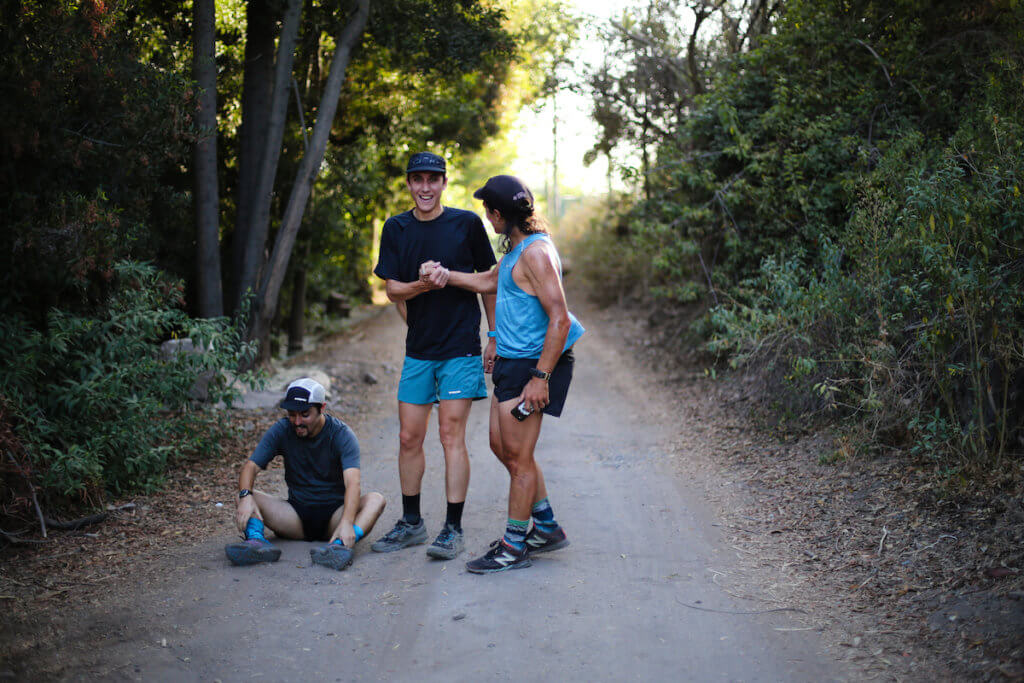
Good running plans for beginners are simple, repeatable, and easy enough that you can finish most runs feeling like you could have done a little more. You do not need speed workouts, complicated mileage goals, or a perfect fitness background to start. You need a plan that helps you run consistently, recover well, and build confidence week by week.
At Vert, we use beginner running plans to help new runners move from “I want to start” to “I know what to do this week.” For many athletes, that path starts with short run-walk sessions, easy effort, gentle trails or mixed terrain, and a clear 8-week progression.
If you are completely new to running, coming back after a break, or curious about trail running but unsure where to begin, this guide will help you choose the right beginner plan and understand what your first few weeks should look like.
Quick Answer: What Should Running Plans for Beginners Include?
A beginner running plan should include 3 to 4 runs per week, mostly easy effort, run-walk intervals when needed, gradual weekly progression, simple strength work, and enough rest days to actually absorb the training. The goal is not to run hard. The goal is to build the habit and prepare your body to handle more time on feet.
A good first plan should give you:
- Short runs you can repeat consistently.
- Clear rest days so your legs can adapt.
- Easy pacing based on effort, not speed.
- A gradual long run that builds confidence.
- Simple strength and mobility work.
- A next step, such as a first trail race, 5K, 10K, or longer beginner trail goal.
If your plan makes you feel crushed in week one, it is not a beginner plan. It is just a hard plan with beginner branding.
Why Vert Uses Trail Running for Beginner Plans
Many beginner running plans are built for flat road miles. That can work, but it is not the only way to start. Trail running gives beginners permission to slow down, walk hills, use effort instead of pace, and enjoy the process without comparing every run to a road pace.
That matters because most beginners do not quit because they lack talent. They quit because the plan becomes too intense, too boring, or too unclear. Trails make running feel more like exploration and less like a test.
If you are new to trails, start with our guide on how to start trail running. It explains how to pick your first trail, how to pace by effort, and why walking is a normal part of the sport.
How Many Days Per Week Should a Beginner Run?
Most beginners should start with 3 runs per week. That is enough to build consistency without making every day feel like training. If you already have a fitness base from hiking, cycling, gym work, or another sport, you may be able to run 4 days per week, but more is not automatically better.
A simple beginner week might look like this:
- Day 1: Easy run-walk session.
- Day 2: Rest or mobility.
- Day 3: Easy run with short relaxed climbs or strides.
- Day 4: Rest or strength.
- Day 5: Easy run-walk session.
- Day 6: Optional hike, walk, or cross-training.
- Day 7: Rest.
The first goal is rhythm. Once running feels like part of your week, you can add more structure.
Should Beginners Use Run-Walk Intervals?
Yes. Run-walk intervals are one of the best tools for beginner runners, especially on trails. Walking is not failure. It is a pacing strategy that lets you keep effort controlled while your muscles, tendons, and aerobic system adapt.
Start with intervals like:
- 1 minute running, 1 minute walking.
- 2 minutes running, 1 minute walking.
- 4 minutes running, 1 minute walking.
- Easy continuous running only when your effort stays relaxed.
On trails, you can also walk steeper climbs from the beginning. Even experienced trail runners do this. If hills are hard to access where you live, use this guide on how to train for hills without mountains to add simple climbing strength and treadmill or stair options.
What Is the Right First Distance for a Beginner Runner?
The right first distance is the one you can train for consistently without rushing the process. For many beginners, that means a 5K, a short trail race, or an 8-week running plan focused on time rather than distance.
Do not choose your first goal because it sounds impressive. Choose it because it gives your training a clear direction. A first trail 5K or short local race is enough to teach you pacing, gear, terrain, and race-day nerves without requiring a huge training load.
New to trail running and want more support?
Vert Basecamp is a 12-week guided trail-running group with live coaching, a training app, and a small group starting together.
If you eventually want a longer challenge, use this page as the first step. Later, you can move into a more specific guide like the 50K training guide once you have a consistent running base.
Already running consistently and choosing a trail distance? Use the Trail Running Plan Finder to choose a route from first trails through longer ultra distances.
─ Vert Pro · Vert Coaching: Designed and approved by expert coaches.
Ready for more structure?
Start your beginner running plan with Vert.
A Simple First Week of Running for Beginners
Your first week should feel almost too easy. That is the point. You are teaching your body that running is a repeatable habit, not a one-time effort that leaves you sore for days.
Here is a simple first-week example:
Day 1: Easy Run-Walk
Warm up with 5 minutes of walking. Then alternate 1 minute running and 1 minute walking for 20 minutes. Keep the running relaxed. Finish with 5 minutes of walking.
Day 2: Rest or Mobility
Take the day off from running. If you want to move, walk easily or do 10 minutes of light mobility.
Day 3: Easy Run-Walk With Terrain Awareness
Repeat the first run, but choose a route with gentle variety if possible. This can be a park path, dirt road, or rolling neighborhood route. Keep the effort conversational.
Day 4: Rest
Let your legs adapt. Beginners improve between runs, not only during runs.
Day 5: Easy Run or Hike-Run
Do 25 to 30 minutes total. Run the flat or gentle sections, walk the hills, and keep the effort steady.
Weekend: Optional Walk or Hike
If you feel good, take an easy walk or short hike. If you feel tired or sore, rest. Consistency matters more than squeezing in extra work.
How Does a Coach-Designed Plan Help Beginners Stay Consistent?
The biggest challenge for beginner runners isn’t fitness. It’s consistency. Life gets in the way. A session gets missed. Momentum breaks.
A coach-designed plan helps in two ways. First, it removes decision fatigue. You don’t have to figure out what to do each day. The plan tells you, and it’s built around your schedule and your goal. Second, it adapts when life happens. Miss a session? A good plan knows what to prioritize and what to skip.
At Vert.run, every plan is built by coaches around your specific goal and available time. Whether you’re following a beginner trail running plan for your first 5k or working toward your first marathon, the structure is the same: consistent, progressive, and designed to get you to the start line healthy and ready.

How an 8-Week Beginner Running Plan Should Progress
An 8-week beginner running plan should build gradually. The early weeks are about consistency and confidence. The middle weeks add time on feet. The final weeks help you feel ready for a first event, longer trail run, or more specific training block.
| Weeks | Main Focus | What It Should Feel Like |
|---|---|---|
| Weeks 1-2 | Build rhythm with short run-walk sessions | Easy, controlled, and repeatable |
| Weeks 3-4 | Increase total running time | Still conversational, with fewer walk breaks if ready |
| Weeks 5-6 | Add a longer easy run or hike-run | More confident, but not forced |
| Weeks 7-8 | Prepare for a first goal run or beginner trail race | Fresh, steady, and clear on pacing |
The exact mileage matters less than the progression. A beginner plan should make each week feel like a small step forward.
What Gear Do Beginner Runners Need?
You do not need a closet full of gear to start running. For road or park paths, comfortable running shoes and weather-appropriate clothing are enough. For beginner trail running, shoes with better grip can help once you start running on dirt, gravel, roots, or rocky terrain.
Start with:
- Comfortable running shoes.
- Socks that do not rub.
- Clothing that works for the weather.
- A small bottle or soft flask for longer warm-weather runs.
- A phone or watch if you are running somewhere unfamiliar.
If you are ready to choose trail shoes, use the beginner guide to trail running shoes. Do not overcomplicate gear before you have built the habit.

Common Mistakes in Beginner Running Plans
Most beginner running mistakes come from doing too much too soon. A plan should protect you from that, not encourage it.
Watch for these mistakes:
- Running every session too hard. If you cannot speak in short sentences, slow down or walk.
- Adding mileage too quickly. Progression should feel boring at first.
- Skipping rest days. Recovery is part of the plan.
- Chasing pace on trails. Trail pace changes with terrain, weather, and elevation.
- Choosing a goal that is too big too soon. Build the base first.
- Ignoring strength work. Simple strength helps your body handle hills, descents, and uneven ground.
When Should a Beginner Use a Coach-Built Plan?
Use a coach-built beginner running plan when you want structure, but you do not want to guess what to do every week. This is especially useful if you are coming back from time off, trying trails for the first time, or preparing for a first race.
A good plan removes the daily decision-making. You still need to listen to your body, but you are not starting from a blank page every Monday.
If you want individual guidance, you can also learn more about Vert coaches. Coaching is different from a standard plan: it is a more personal route for runners who want direct feedback and adjustment.
Your Next Step
If you are looking for running plans for beginners, start with a plan you can actually repeat. Keep the first weeks easy, use run-walk intervals when needed, and let the habit build before chasing longer distances.
Vert’s beginner plan gives you a clear 8-week path into trail running, with coach-built structure and enough flexibility to start where you are.

Frequently Asked Questions
What is the best running plan for beginners?
The best running plan for beginners is one that starts with easy effort, uses run-walk intervals when needed, includes rest days, and progresses gradually over several weeks. For most beginners, 3 runs per week is enough to build consistency without overload.
How many weeks should a beginner running plan be?
An 8-week beginner running plan is a practical starting point. It gives you enough time to build consistency, increase time on feet, and prepare for a first goal run or beginner trail race without rushing.
Should beginners run every day?
No. Most beginners should not run every day. Running 3 to 4 days per week with rest or easy movement between runs is usually a better way to build fitness and reduce injury risk.
Is a run-walk plan good for beginners?
Yes. Run-walk intervals help beginners control effort, avoid early overload, and build confidence. They are especially useful on trails, where hills and uneven terrain naturally change your pace.
Can beginners start with trail running?
Yes. Beginners can start with trail running if they choose easy terrain, keep effort relaxed, walk hills, and build gradually. Start with smooth paths, dirt roads, or gentle local trails before moving to technical terrain.
What gear do I need for a beginner trail running plan?
Start with comfortable shoes, socks that do not rub, weather-appropriate clothing, and water for longer runs. Trail shoes become more useful once you run regularly on dirt, gravel, roots, rocks, or muddy terrain.
When should I move from a beginner plan to a longer race plan?
Move to a longer race plan once you can run consistently for several weeks, recover well between sessions, and finish your longer easy runs feeling controlled. From there, you can choose a specific 10K, trail race, 50K, or other goal plan.
─ Vert Pro · Vert Coaching: Designed and approved by expert coaches.
Trust the training.
Then trust race day.
A coach-backed training experience that adapts to you in real time, helping you arrive at the start line feeling confident, prepared, and ready for what’s ahead.