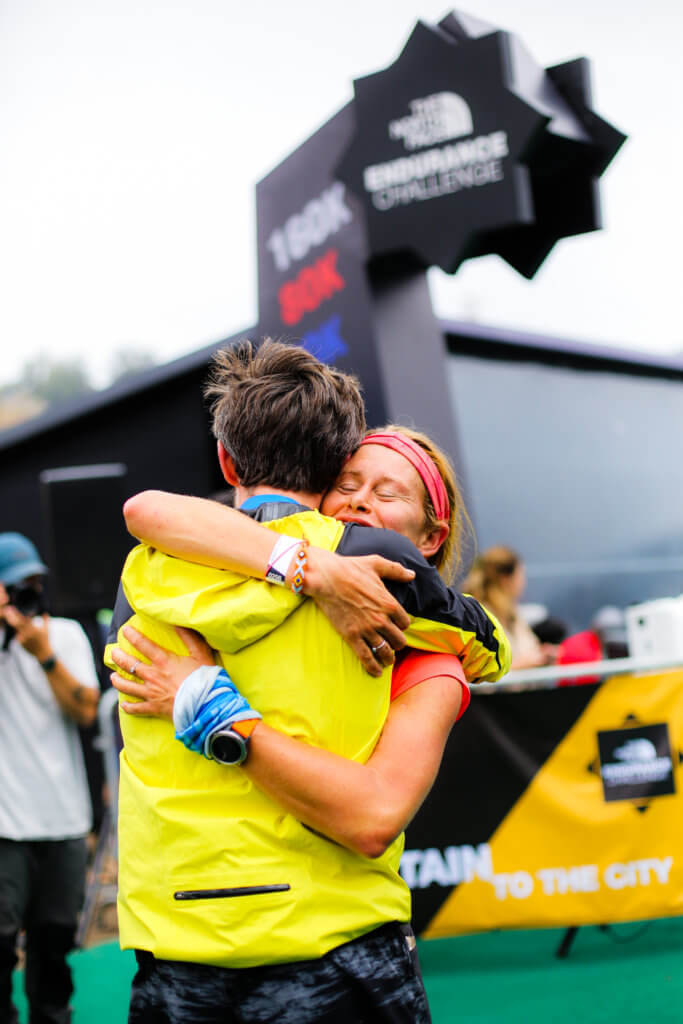
To start ultramarathon training, choose a first race that fits your current base, give yourself 16 to 24 weeks to build, and practise the skills that matter on trails: time on feet, climbing, fueling, and patient pacing. For most runners, a 50K is the right first ultra.
You do not need years of ultra experience or an elite running background. You do need enough consistency to train without constantly getting injured, plus a race that matches your current fitness, available time, and terrain.
Start by answering three questions: Are you ready to train consistently? Is a 50K the right first distance? And do you have enough time to build without rushing? This guide will help you make those decisions, then prepare with confidence.
Can a Beginner Run an Ultramarathon?
Yes, absolutely. Many runners complete their first ultramarathon without years of experience, but the runners who do well tend to get the basics right.
You do not need to be especially fast. You do not need a long race resume. You do not need to jump straight into a 100k or 100-miler to prove anything. What you do need is enough consistency that your body can absorb training without constantly getting hurt or flattened.
A good rule of thumb is this: if you can run for about 90 minutes at an easy effort, recover well enough to train again the next day, and handle regular weekly training without your body falling apart, you are probably ready to start building toward a first ultra.
That does not mean you are ready for every ultra distance. It means you are ready to choose the right first one.
How to Choose the Best First Ultramarathon Distance
For most athletes, the best first ultramarathon is a 50k.
The reason is simple. A 50k is long enough that you have to respect it, but short enough that the training, fueling, and race-day logistics are still manageable. You will need real preparation. You will also be able to learn a huge amount without stepping so far beyond your current ability that the whole experience becomes survival instead of racing.
If you come from road marathons, hiking, triathlon, or general endurance sports, the 50k is still the best starting point most of the time. It gives you a chance to learn:
- how trail pace really works
- how to fuel for several hours
- how climbs and descents change your effort
- how to manage a race when the goal is steady execution, not aggressive early pacing
If you are not quite ready for a 50k, a trail marathon is the better bridge. If you are already thinking about 100k or 100 miles as your first ultra, slow that idea down. Longer races do not just require more fitness. They require more experience making good decisions while tired.
If your goal is a first 50k, start here: The Ultimate 50km Training Guide
If you need a road-to-trail stepping stone first, start here: Trail Marathon Training Plan

How to Train for Your First Ultramarathon
Most runners need 16 to 24 weeks of structured training from a solid base.
For a first 50k, 16 to 18 weeks is often enough if you are already running consistently. If you are newer to trails, coming back from inconsistency, or choosing a hilly course, give yourself closer to 20 weeks.
The mistake is not usually training too little in one week. It is giving yourself too little runway overall. Ultra fitness builds best when the work is boring, steady, and repeatable. You want enough time to build long runs, add climbing, test fueling, recover from a bad week, and still arrive at the start line fresh.
If you are forcing the calendar, skipping recovery, or trying to cram long-run fitness into the final month, the race starts controlling you before it even begins.
─ Vert Pro · Vert Coaching: Designed and approved by expert coaches.
Training for your first ultra?
Vert builds your week around your life, so you can get to the start line ready.
What First-Ultra Training Should Actually Look Like
Training for your first ultramarathon is not just marathon training with longer long runs. The structure shifts in a few important ways.
1. Time on feet matters more than pace
In trail and ultra running, effort matters more than exact speed. Hills, heat, technical terrain, and altitude all distort pace. That is why many ultra plans are better measured in time than in kilometers or miles.
A two-and-a-half-hour hilly long run may be far more useful than chasing a flat long run with a bigger mileage number attached to it.
If effort-based training is new for you, this helps: What Is RPE in Trail Running?
2. Long runs are practice, not just fitness
Your long run is where you rehearse the race. That means:
- eating while moving
- drinking regularly
- pacing climbs without ego
- learning what effort feels sustainable after two or three hours
- getting used to the shoes, vest, and gear you will actually race in
The best first-ultra long runs are not hero sessions. They are controlled, repeatable, and specific.
3. Hills change the job
Most first-time ultra runners underestimate how much climbing and descending changes the race. Going uphill costs more than your road pace suggests. Going downhill is often where your quads get destroyed.
If you do not live near mountains, that is not a deal-breaker, but you do need a plan for it. Use treadmills, stair workouts, structured hill reps, strength work, and any terrain you do have access to.
This is the guide to use if that is your situation: How to Train for the Hills Without Having Access to the Mountains
4. Strength work is part of the plan
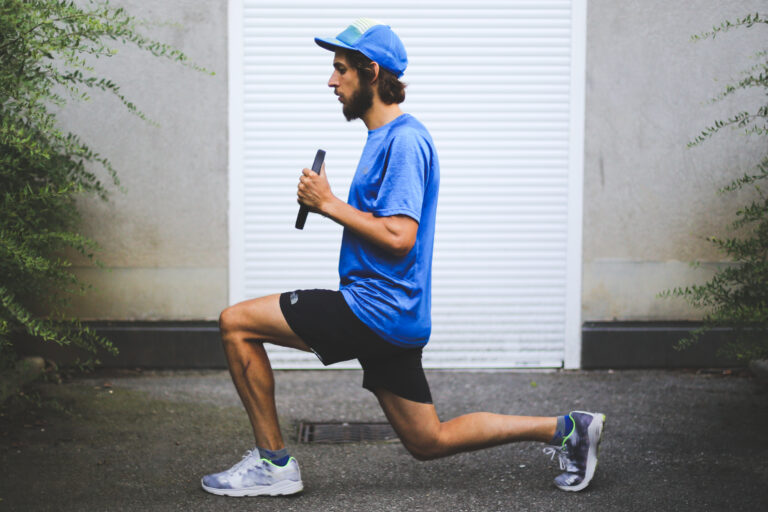
For a first ultra, one or two short strength sessions each week goes a long way. Focus on stability, single-leg strength, calves, glutes, and durability rather than bodybuilding-style fatigue.
The goal is not to crush yourself in the gym. The goal is to make sure your legs and hips still work well after several hours on trail.
5. Recovery is training
Many runners can survive the workload of first-ultra training for a few weeks. Fewer can recover from it well enough to keep building. The runners who arrive strongest are rarely the ones who trained the hardest on paper. They are the ones who stacked enough solid weeks in a row.
That means easy days should stay easy, sleep should be taken seriously, and your long run should not turn every Sunday into a recovery emergency.
What to Eat During Your First Ultramarathon
Fueling is one of the biggest differences between a marathon and an ultra.
For most first-time ultra runners, a useful starting target is 200 to 300 calories per hour, mostly from carbohydrates. The exact number depends on your size, pace, conditions, and gut tolerance, but the bigger point is this: you need to practice eating before race day.
That means testing:
- gels or chews
- sports drink
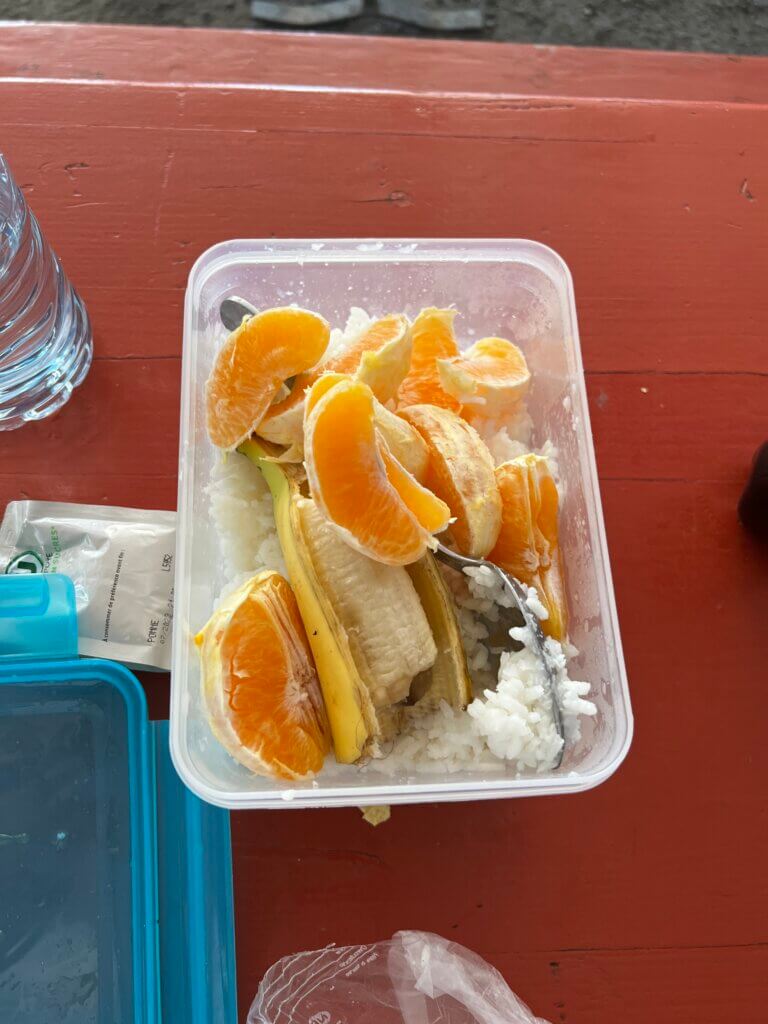
- simple solid foods like bananas, rice, potatoes, or bars
- sodium and electrolytes
- how often you can eat without your stomach shutting down
The most common first-ultra fueling mistake is waiting too long because you feel fine early. Most people do feel fine early. That is not the moment to delay calories. Eat before you think you need to, and practice that rhythm in training.
If you want to build a race-specific plan, use the Vert.run Nutrition Planner
How to Pace Your First Ultramarathon
If you remember one thing from this whole page, let it be this:
Start easier than you think you should.
Most first ultras go wrong in the opening third of the race. Not because someone is wildly reckless, but because the early pace feels controlled until it quietly becomes expensive. Trail races make this even harder because climbs break rhythm, downhills feel free, and excitement hides effort.
For your first ultra:
- keep the early effort conversational
- hike steep climbs earlier than your ego wants to
- let faster runners go
- think about the last third of the race while you are still feeling fresh
If you want a more realistic finish-time range before race day, use the Vert Race Time Predictor. It is a better tool than guessing from road-marathon pace or copying someone else’s splits.
How to Choose the Right First Ultra Race
Not every 50k is a good first 50k.
The best first ultra is usually:
- well organized
- clearly marked
- logistically simple
- generous enough with cutoffs that you can execute calmly
- matched to the terrain you can realistically train for
Try not to choose your first ultra because it sounds iconic or brutal. Choose it because it gives you the best chance to learn how to do this well.
If you train mostly on smooth trails and rolling terrain, do not make your first race a highly technical mountain event with massive vertical gain. If you are consistently training on climbs and descents, then a hillier course may suit you well.
The race should stretch you. It should not require miracles.

Common Mistakes in a First Ultramarathon
Picking too much distance too soon
The 100-miler will still be there later. So will the 100k. Build the skill first.
If longer distances are the eventual goal, use these guides when you are ready for the next step:
Treating the race like a long road marathon
Trail ultras are slower, less even, and more tactical. If you chase road pace logic, the course usually wins.
Not practicing fueling
Fitness will not rescue a bad stomach. Practice eating, drinking, and carrying what you need.
Running long runs too hard
If every long run turns into a test, your whole training block becomes fragile.
Ignoring terrain specificity
If your race climbs, descends, heats up, or gets technical, your training should reflect that reality somehow.
What Success Looks Like in Your First Ultra
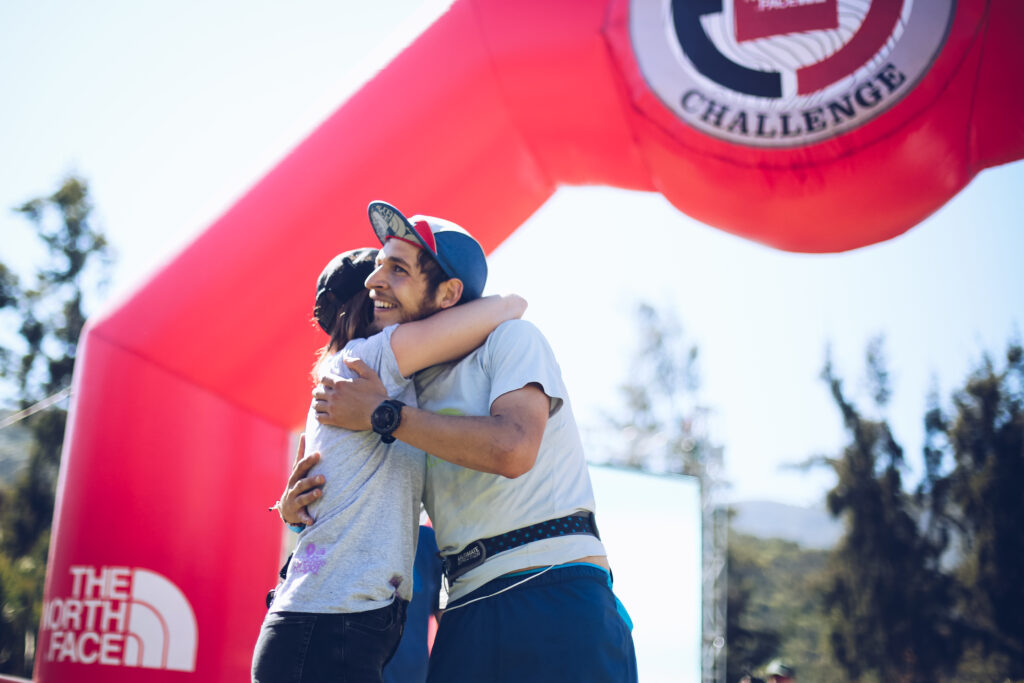
Success in a first ultramarathon is not about racing perfectly. It is about making solid decisions for long enough that you finish strong enough to want to do it again.
A good first ultra usually looks like this:
- you start controlled
- you eat early and consistently
- you hike when it makes sense
- your energy stays reasonably stable
- the final third is hard, but not a total collapse
You do not need a magical day. You need a disciplined one.
That is why most runners should treat the first ultra as a learning race. The goal is not to prove you can suffer. The goal is to build the skill set that makes every ultra after this one better.
Build Toward Your First Ultramarathon With Vert.run
The right first-ultra plan should do more than hand you workouts. It should help you build around your actual life, your terrain, your target race, and the distance you are really ready for now.
Vert.run gives you coach-built training for trail marathon, 50k, 100k, and 100-mile goals, plus tools that help with pacing, fueling, and race-day planning. If you want more direct support, you can also work with one of our trail and ultra running coaches.
Start your 7-day free trial on Vert.run
If you want more hands-on support from a coach, start here: Meet the Vert.run coaches

Frequently Asked Questions
Can a beginner run an ultramarathon?
Yes. Many runners can finish an ultramarathon if they choose the right distance, build from a solid base, and train consistently. For most beginners, a 50k is the best first ultra.
What is the best first ultramarathon distance?
For most runners, the best first ultramarathon distance is a 50k. It is long enough to require real preparation but manageable enough that the training and race-day execution stay realistic.
How long should I train for my first ultramarathon?
Most runners need 16 to 24 weeks of structured training. A first 50k usually fits inside a 16 to 18 week build if your base is already solid.
How much running base do I need before training for an ultra?
A good starting point is being able to run for about 90 minutes at an easy effort and recover well enough to keep training through the week. You do not need to be fast, but you do need consistency.
What should I eat during my first ultramarathon?
Most runners should target roughly 200 to 300 calories per hour, mostly from carbohydrates, and practice that plan in training. The exact foods vary, but nothing should be new on race day.
Should my first ultra be a 100k or 100-mile race?
Usually no. Most runners should start with a 50k, learn how to pace and fuel over several hours, then build toward longer distances once they have more experience.
─ Vert Pro · Vert Coaching: Designed and approved by expert coaches.
Trust the training.
Then trust race day.