
Learning how to adjust an ultra training plan after missed runs, travel or a demanding week can prevent one disruption from becoming a bigger setback. A missed run does not ruin an ultra plan. The mistake is usually trying to make up every mile as soon as life settles down. That turns one disrupted week into fatigue, poor training and sometimes injury.
The better move is to protect the purpose of the next few weeks. Keep the most useful session, reduce or move the rest, and return to a sustainable rhythm. An ultra plan should help you make decisions when work, travel, family, illness or a hard week gets in the way, not ask you to pretend those things will not happen.
Quick Answer: How to Adjust an Ultra Training Plan After Missed Training
Do not cram missed sessions into the following week. First decide whether the disruption was a few days, a full week or more. Then keep the session that matters most for your current phase, usually the long run, the key terrain-specific workout, or recovery. Drop the least important work first and rebuild only when you can recover from it.
If you have missed training because you are sick, injured, unusually exhausted or dealing with poor sleep, recovery is the training priority. The plan can wait.
─ Vert Pro · Vert Coaching: Designed and approved by expert coaches.
Life changes the plan.
Keep moving toward race day.
Get a coach-designed trail or ultra training plan that adapts to your race, terrain and real schedule—so a missed week does not become a training setback.
Start with the reason the plan changed
Not all missed training means the same thing. The right adjustment depends on why it happened and whether the stress is still present.
A busy week, travel or a schedule change
When the issue is time rather than health, preserve the few sessions that best match your race. A mountain runner may protect one hilly long run. Someone preparing for a runnable 100K may keep a long aerobic day and one controlled quality session. Everything else is optional for that week.
A useful minimum week can be two or three easy runs, one purposeful longer run, and some walking or mobility when it fits. It is not a failed version of the original plan. It is how you keep continuity.
Poor sleep, heavy stress or unusual fatigue
Training load is only one kind of stress. If sleep, work pressure or family life is already high, a hard session can cost more than it gives. Replace intensity with easy running, walking, or a day off. The goal is to be ready for the next useful week, not to win a difficult Tuesday.
Use the post-race recovery guide as the mindset here: recovery is not time lost when it lets you train consistently again.
Illness, pain or an injury concern
Do not use a catch-up plan after illness or pain. Return only when you are genuinely ready, then rebuild from what your body tolerates now. If pain changes your stride, persists, or worsens as you run, stop treating this as a scheduling problem and get appropriate medical guidance.

The rule that prevents most catch-up mistakes
Do not stack missed work on top of the current week
If you missed Tuesday’s intervals and Thursday’s easy run, you do not need to run intervals Friday and add mileage Saturday. The original plan assumed you would arrive at each session with a certain amount of recovery. Once that recovery changes, the calendar must change too.
Choose one of these instead:
- move the key session only if there is enough recovery before and after it;
- replace it with a shorter, easier version;
- skip it and continue with the next planned session; or
- turn the whole week into a lighter consolidation week.
The further you are from race day, the easier it is to skip a workout. Fitness is built through repeated months, not the perfect completion of one seven-day block.
How to choose what stays in the plan
When time is tight, rank sessions by their role rather than by the order they appear on the calendar.
Keep first | Keep if recovery and time allow | Drop or shorten first |
Recovery when you need it; one long run or long hike that matches the race; a key terrain-specific session | Easy aerobic runs; basic strength; a short controlled quality session | Extra mileage; a second hard workout; a workout you would only do to “make up” a missed one |
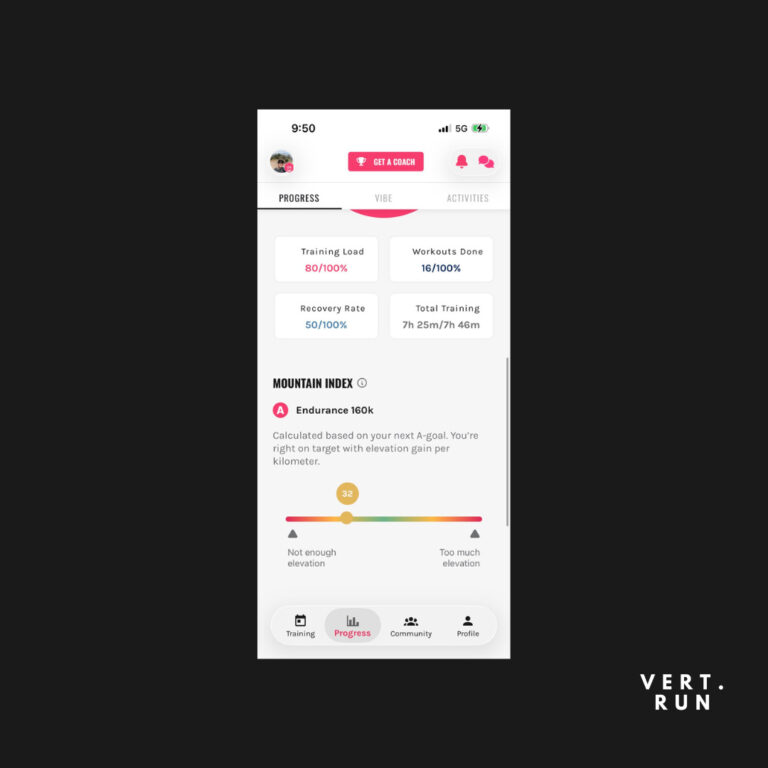
For a mountain ultra, specific climbing, descending and hiking practice can matter more than a flat speed session. The Mountain Index guide can help you judge whether your remaining weeks still include enough climbing for your goal race.
For a first ultra, the highest-value work is usually boring: regular easy running, gradual long-run progress, fuel practice and arriving healthy. The ultramarathon training plan is a useful route when you need to reset the bigger picture, not just rearrange this week’s runs.
How to Adjust an Ultra Training Plan During a Disrupted Week
If you missed one or two days
Resume with the next meaningful session. Do not automatically shift every workout forward. If the long run still fits with enough recovery, keep it. Otherwise shorten it slightly, make it easy, or move it to the next weekend.
If you missed most of a week
Treat the following week as a return week. Keep volume modest, use easy effort, and choose one key long or terrain-specific session. You do not need to repeat the missed week before moving on.
If you missed two weeks or more
Step back one phase. Reduce the long run and total weekly load, then build again for at least one or two weeks before asking for another big progression. If the missed time was caused by illness, injury or major life stress, be even more conservative.
Your race date may still be realistic, but the plan should now be based on the work you can complete consistently, not the volume you hoped to have accumulated.
Keep the long run in perspective
Long runs are important, but they are not a test you must pass every weekend. A missed long run is usually less harmful than forcing one when you are tired, sick, under-fueled or short on time.
If you miss a key weekend, you have three reasonable choices:
- Let it go and return to the next planned long run.
- Do a shorter easy run or hike that preserves time on feet without creating a recovery hole.
- Move it only when it does not crowd another key session or leave you depleted for the following week.
Back-to-back long runs can be useful for ultra preparation, but they are not a catch-up tool. Use them deliberately and sparingly, as explained in Vert’s back-to-back long-run guide.

Adjust intensity before you add volume
When life compresses the week, runners often keep the hard workout because it feels important. But a hard session without the usual easy running, sleep or recovery around it can be the wrong kind of specific.
Try this order instead:
- Keep easy running easy.
- Protect one purposeful session only when you are ready for it.
- Shorten the hard part before you add extra days or extra mileage.
- Reintroduce normal volume only after a stable week.
For example, a planned 90-minute hill workout might become 45 to 60 minutes with a few controlled climbs. The goal is to keep the movement pattern and confidence without creating a large recovery bill.
How to Adjust an Ultra Training Plan When Race Day Is Close
The closer you are to the race, the less useful it is to chase missed fitness. Late volume has a high cost and little time to become durable adaptation.
More than six weeks out
You can usually absorb a disrupted week by returning to a sensible progression. Keep the next block realistic and avoid making one long weekend dramatically bigger than the one before it.
Three to six weeks out
Protect your last truly race-specific work, but reduce the total agenda. Keep fuel practice, terrain familiarity and one long effort if it fits. Skip the extra volume you cannot recover from.
Less than three weeks out
Do not try to rescue the plan. Arrive rested, practice the fuel and gear you will use, study the course and revise your pacing expectations. For a 100-mile goal, use the 100-mile training guide to focus on execution rather than a last-minute training block.
A practical example
Imagine a runner preparing for a 100K. They miss four days because of work travel, including a midweek workout and an easy run. The original weekend called for a long trail run plus a recovery run the next day.
Instead of trying to restore every missed mile, they choose a single easy long trail run on the weekend, practice race fueling, and skip the recovery run if they feel unusually tired. The next week begins with easy running and one shortened quality session. That plan preserves the purpose of the block without making the following ten days harder than necessary.
Build a plan that can bend without breaking
A strong ultra plan is not a fixed sequence of perfect weeks. It is a set of priorities that helps you decide what matters when life changes. The runners who make progress over months are rarely the ones who never miss a session. They are the ones who avoid turning a missed session into a bad decision.
Ready to build training around your race, terrain and real schedule? Start your free trial with Vert and create a plan you can return to week after week.
If you need a course-specific plan or help making a bigger adjustment, meet Vert’s trail and ultra coaches.
Frequently asked questions
Should I make up missed runs in an ultra training plan?
Usually no. Resume with the next useful session, or move one key workout only when recovery allows. Cramming missed mileage into the following days raises fatigue without recreating the benefit of the original plan.
What should I keep when I only have time for three runs?
Keep recovery first, then one longer aerobic or terrain-specific session and easy running around it. Choose quality only when you have enough sleep and recovery to execute it well.
Can I miss a long run before an ultramarathon?
Yes. One missed long run is usually safer than forcing it while tired, ill or underprepared. Return to your next planned long run, or use a shorter easy effort if it fits your recovery.
How do I adjust an ultra plan after two weeks off?
Step back one phase: reduce weekly load and the long run, then rebuild over one or two stable weeks. Do not repeat every missed workout before moving forward.
Should I change my race goal after missed training?
Maybe. Base the decision on your recent consistent work, your health, the course and the time remaining. If you cannot rebuild safely, revise the performance goal or choose a more conservative race plan rather than trying to force late fitness.
─ Vert Pro · Vert Coaching: Designed and approved by expert coaches.
Trust the training.
Then trust race day.