A winter trail running plan needs room to change. A route that was easy in summer may be icy before work and muddy by lunch. Darkness shortens your options, and a storm can take away your long run. You can keep training through winter by giving each session a safer alternative.
This winter trail running plan gives you a repeatable week built around easy running, one controlled workout, strength, and a longer aerobic outing. It also tells you what to do when the trail is unsafe or unavailable. Use it after you have recovered from your last race and before your next race-specific block. If you are coming back from a long break, begin with the shorter version and hold it until it feels routine.
Quick answer: how should trail runners train in winter?
Keep most sessions easy, protect a long aerobic session, and do strength work twice a week if your schedule allows. Use one modest workout, such as short uphill efforts, only when your easy sessions feel consistent. Check the actual route and weather before each outdoor run. When ice, a storm, poor visibility, or severe wind chill raises the risk, move the session indoors or choose a safer surface. One changed workout is better than a fall or a week of fatigue.
The aim is to reach the next training phase with a steady routine, a stronger body, and enough energy to handle more specific work. Winter is a good time to build that foundation, whether your spring goal is a local trail race or a longer ultra later in the year.
Start with the week you can actually repeat
Before you add sessions, look back at the last four weeks. Count the days you ran, the time you spent moving, and the longest outing that left you feeling recovered by the following day. That is your starting point. A winter plan should fit your current life, not the mileage you managed before your last race.
If you are still tired from a race, use our off-season recovery guide first. If you are ready to train but have lost your routine, start with three running days. If you have already been running four or five days comfortably, use the five-day version below. Both versions can prepare you for a later base-building block.
Use effort rather than pace on snowy, muddy, or hilly routes. Easy means you can speak in full sentences. A controlled workout should leave you able to do the next planned session. Your watch pace will vary with footing, clothing, wind, and elevation, so it is a poor judge of whether a winter trail run was useful.
─ Vert Pro • Trail training built around your life.
Keep the winter routine going.
Keep the winter routine going.
Build toward your next trail goal.
Get a plan that adapts to your schedule, current fitness, terrain, and race. Start where you are and keep moving forward.
A three-day winter trail running plan
This version is for a runner rebuilding consistency or working around a crowded week. You can walk, cycle, or hike on the other days, but those sessions are optional. Keep at least one day with no structured training.
- Monday: Rest or a short walk.
- Tuesday: 30 to 45 minutes of easy running on safe ground. Follow with 20 minutes of strength.
- Wednesday: Optional 30 to 45 minutes of easy cycling, hiking, or indoor aerobic work.
- Thursday: 35 to 50 minutes of easy running. After the first two stable weeks, add four to six relaxed 15-second strides on a safe, clear surface, or short controlled uphill efforts.
- Friday: Rest.
- Saturday or Sunday: 60 to 90 minutes of easy running, hiking, or a run-hike combination. Choose a route you can finish safely in the available daylight.
- The remaining day: 20 minutes of strength, an easy walk, or rest.
Keep the long outing close to the time your body already tolerates. If 60 minutes is too much today, begin at 40 or 45 minutes. When the week feels manageable for two or three weeks, add a small amount of time to one easy session or the long outing. Change one thing at a time.

A five-day winter trail running plan
Use this version when you already run regularly and recover well between sessions. The shorter runs matter because they keep the routine alive without making every outing a project.
- Monday: 30 to 40 minutes easy, then 20 to 30 minutes of strength.
- Tuesday: 40 to 55 minutes easy. If conditions are good and you have a stable base, include the week’s controlled hill session here.
- Wednesday: Rest or gentle mobility.
- Thursday: 35 to 50 minutes easy, then a second short strength session.
- Friday: 25 to 40 minutes very easy, or rest if the week has been stressful.
- Saturday: 75 to 120 minutes of easy trail running or run-hiking. Keep climbs conversational and avoid racing slippery descents.
- Sunday: 30 to 45 minutes easy on a safe surface. Swap this for hiking, cycling, or rest when recovery needs it.
The five-day version is a framework, not a requirement to hit every line. After a poor night’s sleep, a hard work week, or a difficult long run, remove the Friday or Sunday run. If you have never trained five days a week, build from four rather than jumping straight to the full schedule.
Make the week work when winter changes the route
Decide what each session is meant to do before you choose its location. An easy run is aerobic time, so an easy treadmill run or bike ride can serve the same purpose when the trail is unsafe. A hill session trains climbing strength and control, so a treadmill incline or stairs may work. A technical descent session has no good slippery-weather substitute, and it can wait.
If the trail is icy
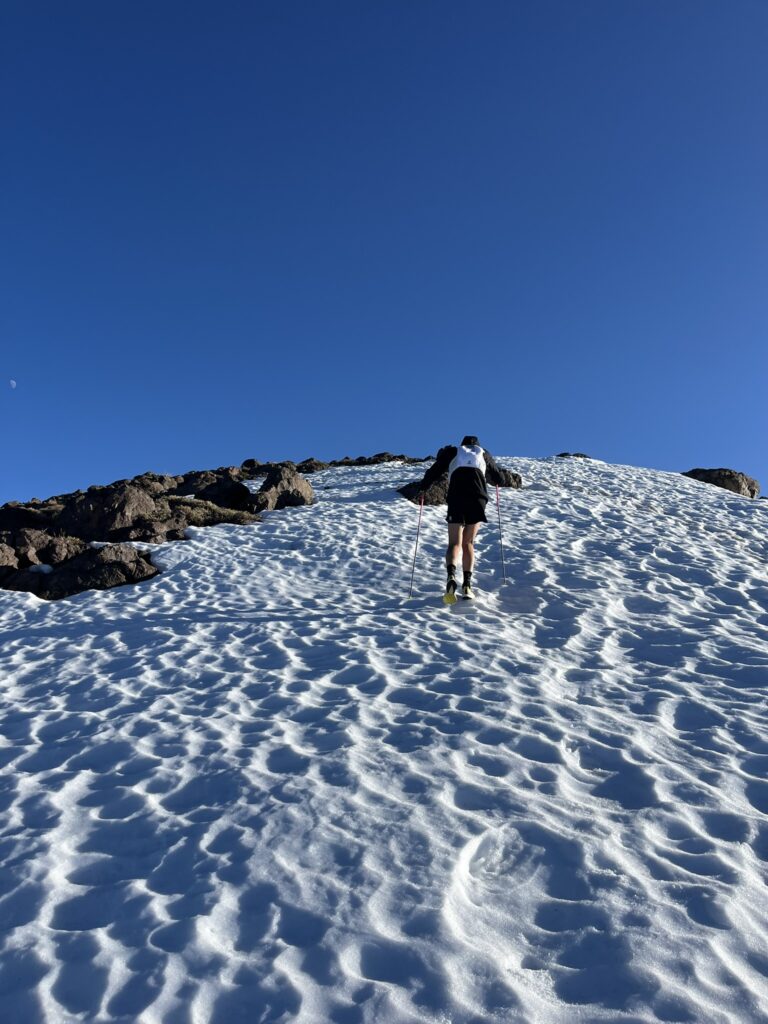
Do not turn a planned workout into a test of balance. Choose a cleared path or treadmill for the run. If the whole route is icy, use cycling, an elliptical, or brisk walking instead. Traction devices can help on suitable surfaces, but they do not make every slope or descent safe. Move the hill session to a better day.
If you have no hills nearby
Use short treadmill inclines, stairs, or brisk uphill walking where available. Keep the effort controlled and the descent easy. Pair that with single-leg strength and calf work. Our guide to training for hills without mountains gives more options for flat or city-based runners.
If darkness limits your time
Move the run to daylight when possible. Otherwise choose a familiar, visible route rather than a remote technical trail. Shorten the run if necessary and make up nothing the next day. If you run in the dark, bring a charged light, a backup option for longer outings, and clothing that helps others see you.
If weather cancels the long run
Put 45 to 60 easy minutes on a treadmill or indoor bike, or split aerobic time across two easy days. You do not need to repay every missed minute. If the weekend storm clears on Sunday, move the long outing only if you can still recover before the next hard session.

How to progress through six winter weeks
You do not need a fixed mileage ladder. Use the week above as a pattern, then add training only when your recovery supports it.
- Weeks 1 and 2: Establish the schedule. Keep everything easy except optional relaxed strides. Learn which routes and indoor options are reliable in your winter conditions.
- Weeks 3 and 4: Add a little time to one easy run or the long outing. Introduce one controlled hill session if the previous weeks felt comfortable.
- Week 5: Cut total running time back by about 15 to 25 percent. Keep the habit, reduce the load, and let the work settle.
- Week 6: Return to your most successful full week. Decide whether you need more base training or are ready for a race-specific plan.
If a week is interrupted, repeat the last stable week. Do not stack missed runs, strength work, and a longer outing into the next seven days. A calendar can slip without the whole season slipping.
Keep intensity simple
One moderate stimulus per week is plenty for many runners during winter. Short uphill efforts work well when the surface is firm and the descent is safe: start with four to six repetitions of 30 to 60 seconds at a controlled effort, then walk or jog back down. You should finish with good form and feel able to run easy afterward.
On another week, use four to six relaxed strides of 15 to 20 seconds after an easy run. Skip both options when footing is uncertain. Faster running on ice, slick mud, or a crowded dark route adds risk without improving the goal of the session. If you are building back from a break, keep every run easy until the routine is secure.
Save long threshold workouts, repeated hard descents, and race simulations for the phase that calls for them. Winter fitness comes from enough good weeks in a row, not from winning one workout in January.
Strength that supports trail running
Two short sessions each week can help you prepare for climbs, descents, and uneven ground. Choose movements you can do with control: squats or sit-to-stands, hinges, step-ups, calf raises, single-leg balance, and simple trunk work. Start with a few sets that leave you fresh enough to run the next day. Add load gradually as the movements become familiar.
You do not need a large gym program to get started. The strength training for runners guide explains how to organize exercises around running, and Vert’s strength training option is there if you want a structured route. Avoid adding heavy lifts, jumps, and a longer run in the same week if those are all new to you.
Gear and safety are part of the training decision
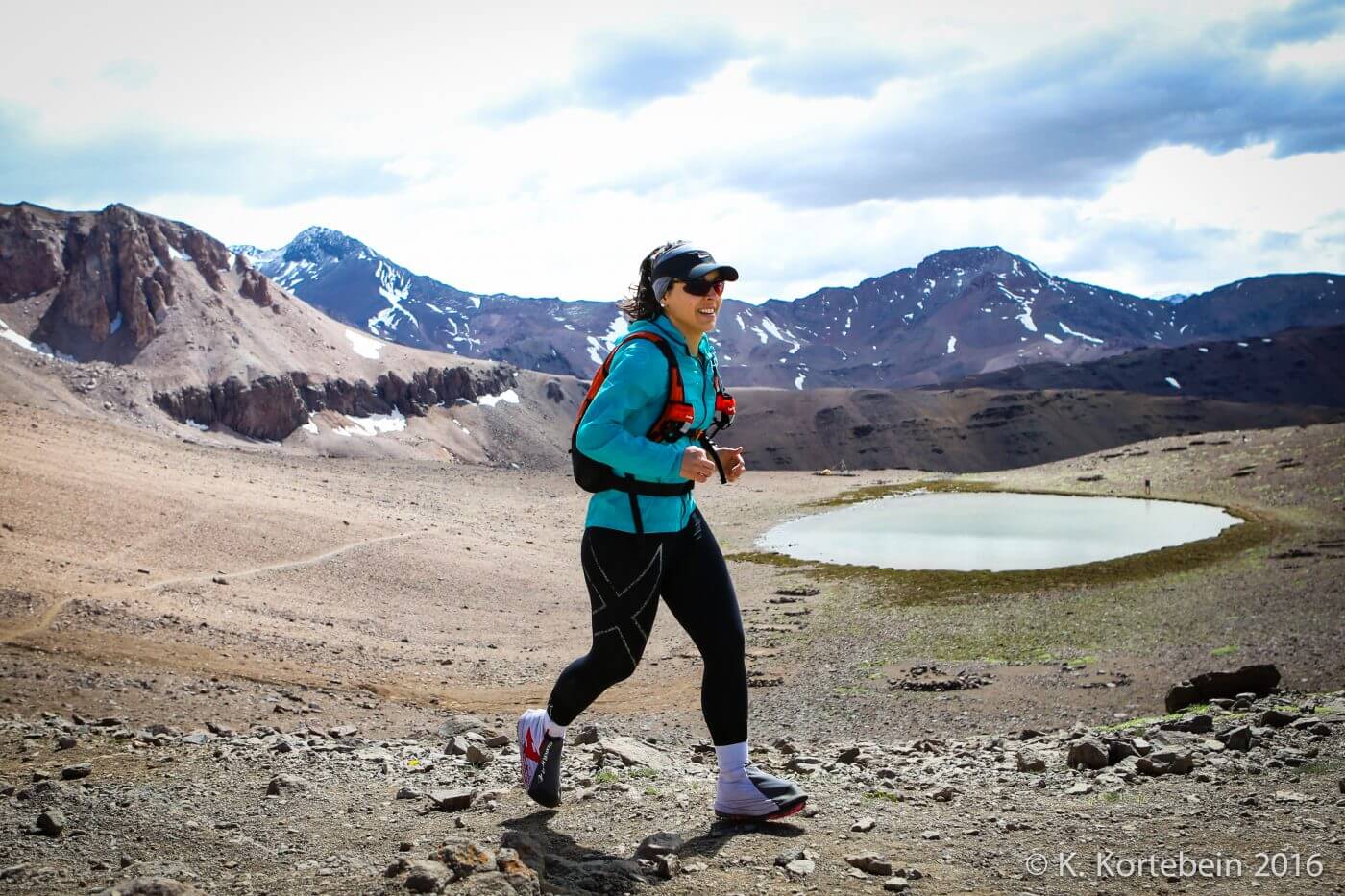
For clothing, use layers you can adjust and carry an extra layer on remote outings. Protect hands, ears, and feet; wet clothing can chill you quickly once you slow down. Change into dry clothes after a wet run. Check the weather forecast, wind chill, daylight, and trail condition before leaving, then choose a route with a safe way home. Our winter training guide covers clothing and gear in more detail.
The US National Weather Service advises covering exposed skin and changing wet clothing promptly in dangerous cold. The CDC’s cold-weather guidance also notes that hypothermia can occur in cool, wet conditions, not only deep freeze. If someone becomes confused, unusually clumsy, very drowsy, or has numb, pale skin, get to shelter and seek medical help. No workout is worth ignoring those signs.
You do not need a universal temperature cutoff because wind, wetness, route remoteness, clothing, and your own experience all matter. Make the safe choice for the conditions you actually face.
When to move into spring or race training
Look at the pattern across several weeks. If you are completing most sessions, recovering by the next day, handling a controlled long outing, and keeping strength in the routine, you have a good starting point for more specific training. If easy running still leaves you unusually tired, repeat the winter week or use the 8-week base-building plan before adding race demands.
Once you have a goal race, move toward its specific terrain and distance rather than keeping the same winter week forever. The 50K training guide shows what changes for a first ultra, and the season-planning guide helps you place that block in the wider year. If you want the app to adapt the training to your current fitness, terrain, schedule, and race, start your free VertPro trial.
Winter trail running checklist
- Pick a three-day or five-day week that matches what you have recently done.
- Keep most running easy and use effort instead of pace on variable terrain.
- Plan one long aerobic outing that you can recover from.
- Do strength once or twice a week at a dose you can repeat.
- Name an indoor or safer-surface replacement for each key session.
- Check weather, wind chill, daylight, and trail condition before leaving.
- Repeat a stable week after disruptions instead of cramming missed workouts.
- Move to race-specific training when consistent weeks make you ready.
Frequently asked questions
Should I keep running trails all winter?
Run trails when the conditions are safe and useful for the session. Cleared paths, roads, treadmills, hiking, and indoor aerobic work can preserve your routine when ice, darkness, or storms make a trail run a poor choice.
How many days a week should a trail runner train in winter?
Three running days are enough to rebuild a reliable routine. Five days can work for someone already training consistently. Choose the schedule you can recover from, then adjust it for your goal and the conditions.
Should I do speed workouts during the off-season?
You can include a small amount of controlled intensity once your easy routine is stable. Short hills or relaxed strides are enough for many runners. Skip faster work when footing is poor, and keep harder race-specific sessions for the next phase.
What replaces a snowy or icy long run?
Use safe easy time on a treadmill, indoor bike, or other low-impact option. You can split the aerobic work across two days if needed. There is no need to cram the lost distance into the next week.
When should I start a 50K plan after winter?
Start when you can complete several consistent weeks, recover from your long outing, and have enough time before the race to train for its distance, climbing, descents, and fueling. If the winter routine is still difficult, extend your base phase first.
The useful winter outcome
A good winter is a string of manageable weeks. You stayed active, kept the easy days easy, found safe substitutes when the trail disappeared, and gave yourself a foundation for the next block. That is more valuable than forcing a perfect schedule through bad weather.
When you are ready for a plan built around your race and available time, start your free VertPro trial.
─ Vert Pro • A plan for every season of training.
Make this week count.
Keep the bigger goal in sight.
Whether you’re rebuilding consistency or preparing for a race, Vert Pro gives you a trail-focused plan that fits the time and terrain you have.