Preparation Has Multiple Meanings in Winter
For most of us, January and February are dark, cooler, if not cold, and a long way from Spring. As I look out my window, the rain is pouring down. I might get a two-hour window later this afternoon to run, if I’m fortunate (running in the rain is not my bag).
What most non-trail runners might not realize, however, is that the weather is just an obstacle. The most important issue isn’t how cold it is or how little sunlight there is. You can take steps to deal with the cold and wear a headlamp for the dark, for instance.
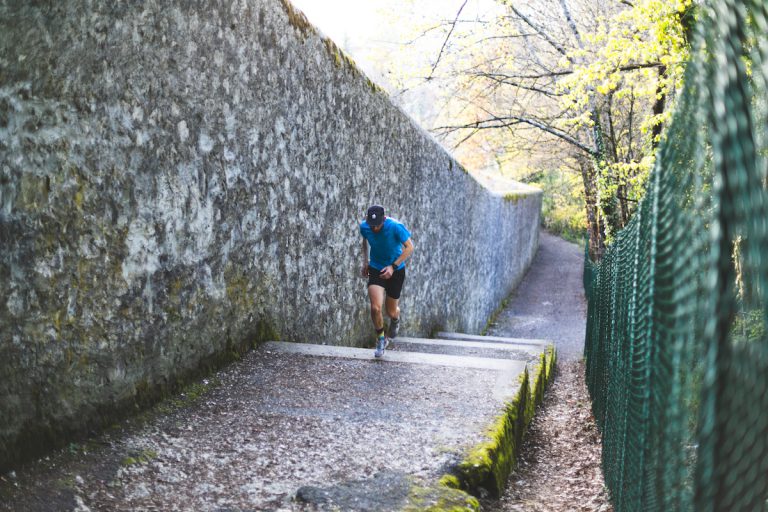
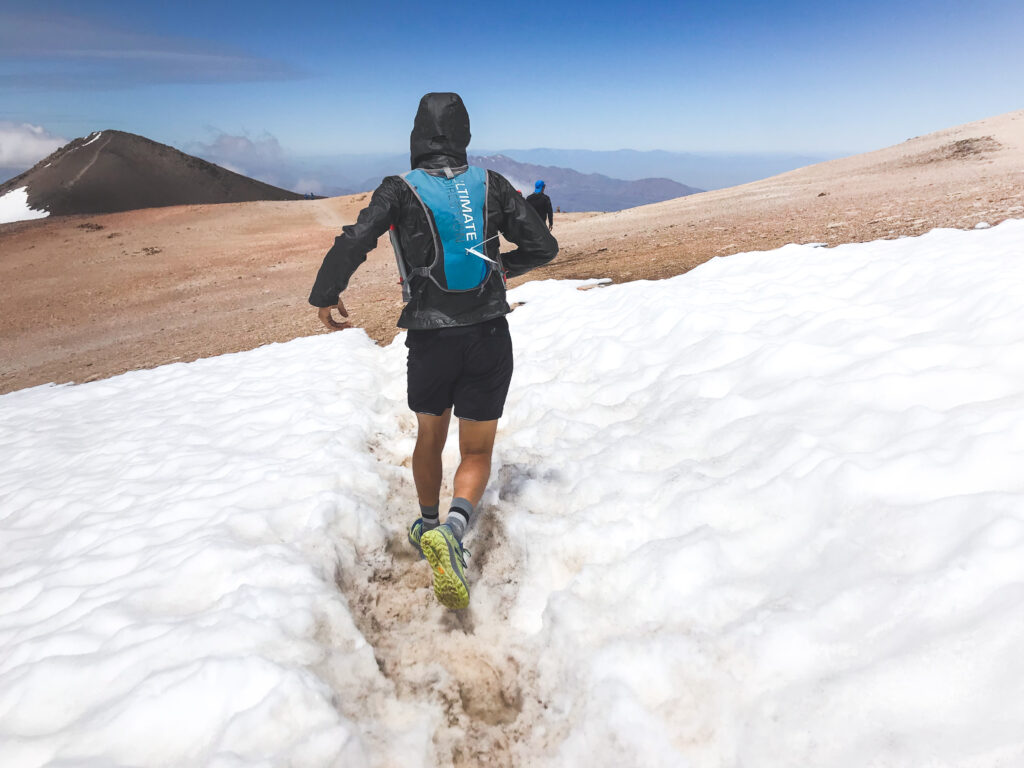
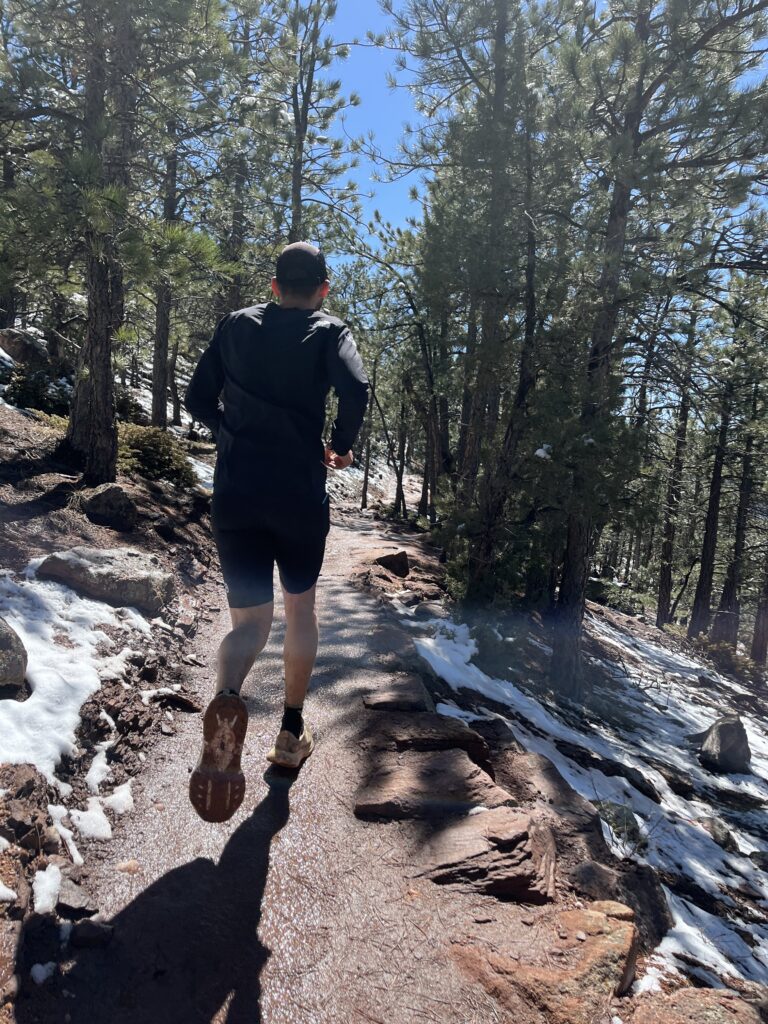
Yet that feeling when you’re on the trail this time of year is unmatched. Maybe the trail’s condition means you can’t put in quite as many miles as you do in the late Spring, but you earn those miles. The mud, the cold, the snow, the biting wind – all a price you willingly pay for seeing the sun peaking over the hills in the morning or the pale blue of the sky between the clouds when the rain stops.
Build a training plan around your next goal
Share your goal or next race. Vert.run creates a training plan tailored to your experience, schedule, and terrain.
And while the condition of the trail matters a lot, the most important issue is making sure you are present for the run.
Trail running is an awareness sport by every definition. And in January and February you can’t take anything for granted on your run. Not the conditions, the distance, or your preparation.
But preparation has more than one meaning.
There is the preparation we do for our next runs by stretching, fueling properly, getting enough rest (remember, resting is training), making sure our gear is in good order, etc.
Then there is the preparation for the year to come.
Now, deep down we know we would continue trail and ultra running even if there were no races, it is these races that can give us focus and change up our routines. Knowing you’re planning an adventure in the upcoming year inspires and motivates.
This is the second, maybe deeper meaning of preparation this time of year: how are you thinking about the season or even the year to come. How are you preparing?
Running Long
One of the many aspects I enjoy about working with all of the Vert.Run coaches I’ve had the pleasure of working with is that they think about the big picture and encourage you to do so also.
So how do you think about the rest of your upcoming year? How do you think about your goals?
I want to offer some of my experience around goal-setting first. For years, I said I was running on trails just to run and get outside. Running was a chance to burn off some stress, quiet my mind, and work off an office job and a commute each week day.
I wasn’t going to do a race, not even a 10k trail race.
Then slowly, as I found I could run longer distances (and I was getting a little bored of running the same trails), the idea that maybe I could consider signing up for a trail half marathon got some space in my brain.
Then the pandemic hit and races were (correctly) cancelled. Then I pulled something and that delayed my signing up. Then, finally, I signed up for a race on the trail with which I am most familiar. I should note, at this time, the only thing I knew about Vert was their excellent podcast – Running Long.
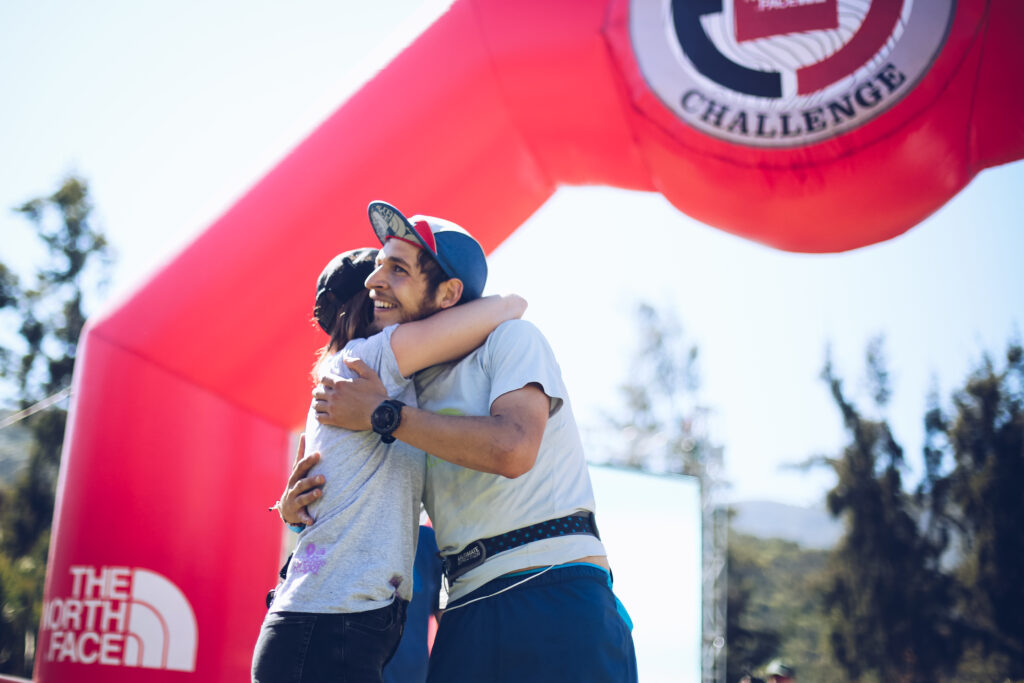
I didn’t, and likely never will, set any course records. But I finished. And while I’d run the course and knew, intellectually, that I was capable of finishing and within the time limit, I wasn’t prepared for the overwhelming emotions – both immediately after the race and then in the days and weeks that followed.
These emotions helped me realize that I needed to learn from my experience, to plan, to prepare so that I could channel these emotions so they wouldn’t be so overwhelming.
Now I’ve learned to use the cooler, rainy months of the year to think about my goals, to prepare.
Your Year
It’s important to remember that you hold the reins here. This is your year. Your planning.
I start by taking a measure of the previous year.
January brings a running year-in-review, courtesy of our watches, fitness platforms, and running friends. These well-intentioned reports tell you how much you ran, your elevation gain, etc.
You should celebrate your achievements, and those of your friends, while understanding that things happen. Numbers are important, but they don’t define you or your year. Ultimately, whether you run 60 or 1,000 miles during a calendar year isn’t that important. It’s you knowing you gave it your best effort each time. And best effort means you brought as much of yourself to that run as possible.
So, while I might set goals about total mileage or total elevation I’d like to reach over the next 12 months, I also know that injuries happen and unexpected things arise.
Then I start to ask myself about the coming year. Something every runner knows is that planning is an ongoing activity. Race sign-ups follow their own calendar. I signed up for my next race (at the end of March) last Fall.
So, some of the first questions that help me think about the coming year include:
- What do I want to do in terms of races and adventures?
- Do I want to set any mileage or elevation goals?
- What blind spots or weaknesses do I need to work on?
- I’ve done many races in my extended local area – are there any that I want to do again?
Most of the time, the answer is thanks but no. They are great races, even better race organizers, but I’ve got the t-shirt and the finisher’s medal. I’ve even done a destination race and don’t feel a great need to do another of those in the near future right now.
But, the answer isn’t always ‘no.’ Flexibility doesn’t just mean stretching, it means not being rigid in your thinking when it comes to challenges, while staying true to yourself.
My next race is a challenging one I first ran in Spring 2025. What drew me back to this one is that the organizers sliced half an hour off the time limit (the time limit was reduced from six hours to five-and-a-half).
I finished last year’s race within the time limit, but this new time limit will be a challenge. It’s forcing me to ask myself difficult questions and focus on my training.
With my late Winter/Early Spring arranged, that opens up the rest of the year. A different race or distance for the Summer months. An “Everesting” challenge (that is, set a time frame to accumulate 30,000 feet of elevation gain)? A race later in the year in a desert or at elevation?
As I’m not attempting to qualify for a prestigious race, there’s some flexibility in my goals.
Stretch Goals
But maybe you want to try to qualify (for the lottery) for one of these races. That is an excellent ambition! But is it realistic?
This is another time to have a conversation with your Vert.Run coach. They’ve been there, they know what it takes to qualify for the lottery for these races. You can count on them to give you the honest, objective conversation you need and to work with you
going forward.
I try to remind myself to be flexible, to be smart, to be brave, and to be kind. I don’t always succeed, but it’s a good way to plan your year.
Build a training plan around your next goal
Share your goal or next race. Vert.run creates a training plan tailored to your experience, schedule, and terrain.
Why it matters
Winter trail running isn’t just about enduring the elements — it’s about presence, preparation, and shaping the year ahead with intention:
- Winter running demands awareness and presence. The cold, dark, and unpredictable conditions of January and February highlight how trail running is an “awareness sport,” where being fully present matters more than mileage or pace.
- Preparation operates on two levels: the next run and the entire year. From stretching, rest, and gear to planning races and adventures, winter becomes a natural season for reflection, goalsetting, and imagining what the coming year could look like.
Goalsetting is personal, flexible, and rooted in growth. Whether choosing races, reassessing past achievements, or considering stretch goals, runners are encouraged to stay adaptable, honest about their ambitions, and guided by big picture thinking rather than numbers.
Tony Edwards is a writer and trail runner in Northern California. You can read his Substack on trail running, life, and media here.