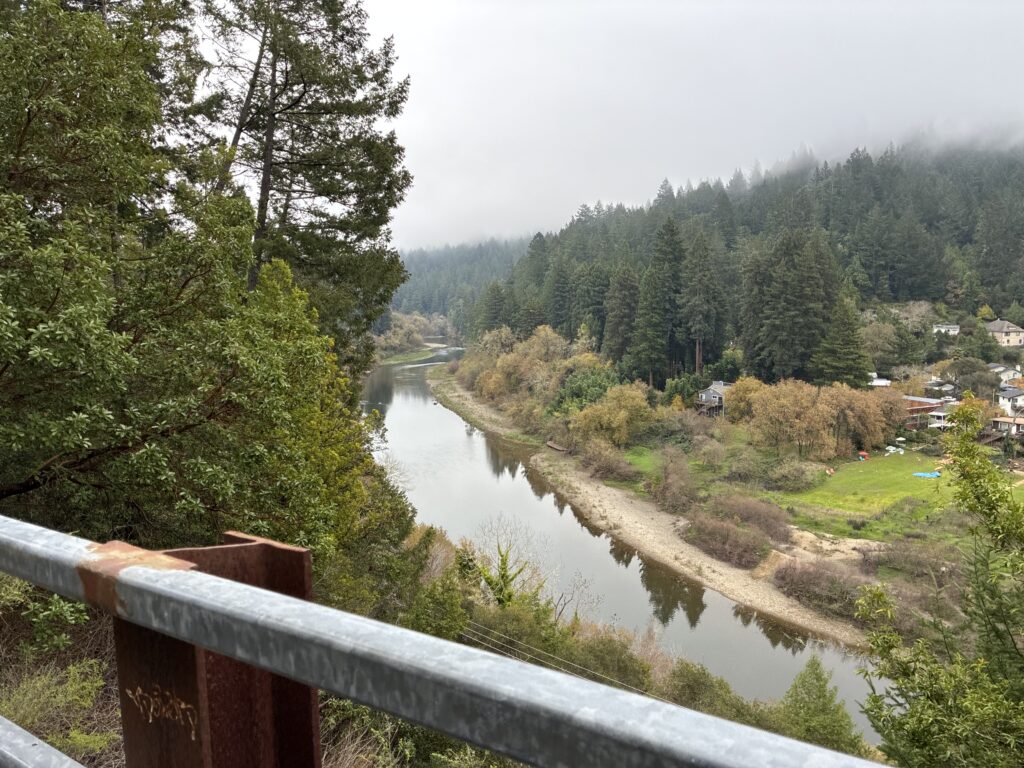
Recently, a major trail race was cancelled on California’s Central Coast because an atmospheric river dumped 13 inches (33 cm) of rain over a weekend. The organizers made the right call by putting the safety of runners, crew, and first responders first.
While you feel for those runners who were hoping to use this event to qualify for other races and hope they can find another event, this is something trail runners everywhere deal with when the seasons change.
How do you keep training and preparing when the weather is unpredictable? And how can you use this time to set yourself up for long-term success in your running?
We’re breaking things down here in component sections, but in reality, training, recovery, and rest all go hand in hand—both physically and mentally.
Remember, you can always move the workout to another day using the Vert app or website.
If you know the weather or life is going to prevent you from getting outside, chat with your coach—they can help you come up with a new plan.

Build a training plan around your next goal
Share your goal or next race. Vert.run creates a training plan tailored to your experience, schedule, and terrain.
Let’s Talk Practical Stuff
Now, for me, I love training outdoors. Treadmills aren’t really my thing—I’d rather feel the trail under my feet and the wind on my face. I’m lucky to live somewhere I can get outside most of the year.
But that’s just my preference—it’s not always possible or even smart. You might prefer other types of training, and that’s totally fine. I’m working on being more flexible, too. So, let’s get the obvious, practical things out of the way.
If your training involves being outside, always check your weather forecast well in advance and then check it again. Your region might be experiencing some dry/warm weather, but don’t take it for granted. Do your homework and opt for safety.
If you do head out, it’s better to be overdressed than underdressed. It’s better to have things you might not need in your running backpack than to be without. Bad weather may roll in even if you’re “only” doing a short run.
Most of us have some cold weather gear stashed away. Now’s the time to dig out your merino top, tights, heavier hoodie, and beanie or toque. The proper footwear is also necessary.
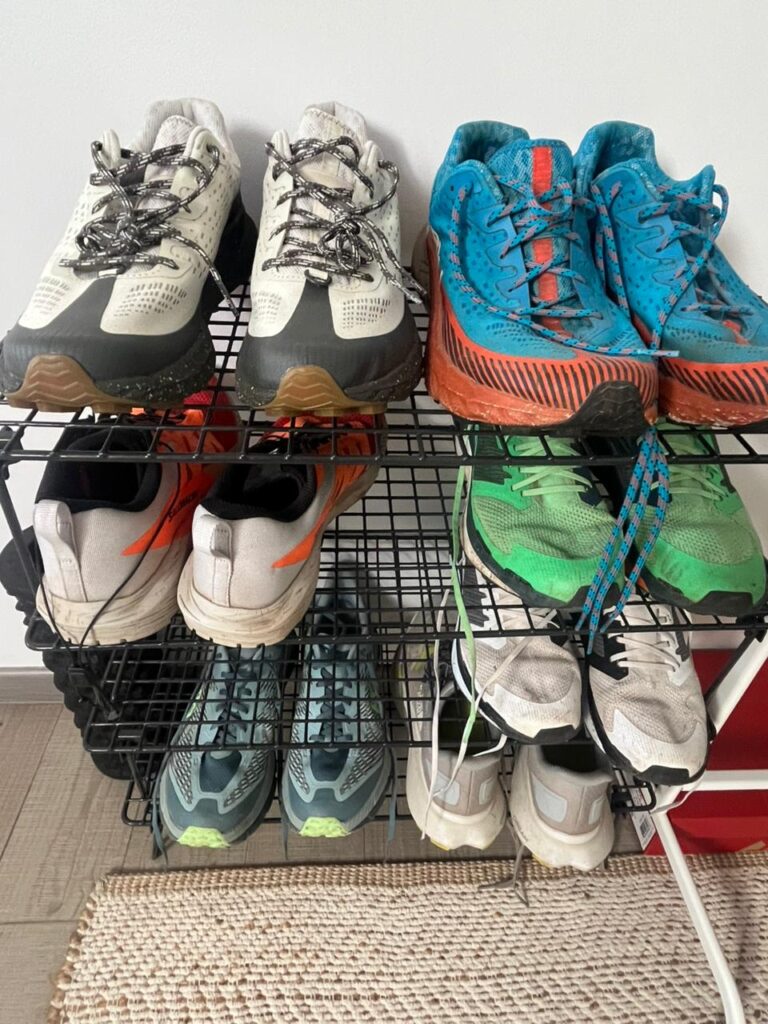
Thinking that your typical trail running shoes can handle wet, muddy, slippery trails can be a recipe for injury, or worse. Make sure your shoes are up for the season and consider using poles for extra stability. This isn’t the time to be a hero. Use common sense and stay safe.
Physical training is only part of this season’s opportunity, however.
Other Options
While every season is a chance for you to take a step back (physically and metaphorically) and thoughtfully plan your next movements, this season and its unpredictable weather gives you a great opportunity to rethink and strategize.
Now’s the perfect time to embrace the idea that “Resting Is Training.” Your body and mind need time to recover, and this is your chance to plan both short-term and long-term goals. Do some things that aren’t related to running. Hang out with people who lift you up.
Spending time with people is important. As much as we love trail running, it’s not an autopilot sport. You’re engaged all the time on the trail and then there is the planning, taking care of your gear, getting enough rest, doing some strength or mobility training, etc. All this can take its toll on you and those supporting you. Use this time to reset and rethink.
And to expand on the above point – while you’re the one running, we all know that trail running is a team sport. Whether it’s your crew during an ultra or working with your partner to find time to train without it interfering too much with life, this is a chance to show your appreciation.
Along with that, you might research some different races or plan out how realistic it is to do a destination race next year. You might analyze what you want to improve or review what might need to change.
These are just a few opportunities this season brings.

What Doesn’t Change
Even if outdoor training is limited, some things always matter.
Your need for sleep doesn’t change, for one. Don’t be afraid to embrace the idea of getting some more shut eye. And we’re not just talking about hitting the snooze button. You still need sleep!
Don’t be afraid to get more shut eye. Sleep is key for recovery, so try earlier bedtimes or tweak your wind-down routine—it’ll pay off now and later.
But resting encompasses more than sleeping. It also means refreshing your mental state. Trail running is difficult. It takes a lot of mental and physical energy. Whatever you need to do to refresh your mind and rebuild your enthusiasm for running will help.
You still need to stay hydrated, even when it’s cooler or you’re resting. Don’t skip the fluids!
Holidays can make it tough to stick to good nutrition. You don’t have to skip the treats—just be smart about it. Maybe go for a smaller dessert or a different drink.
And while we’re encouraging you to refresh and rest, remember that something is better than nothing. If you can get some hiking in or a regular session on the rowing machine, all the better. The sweat and the exertion will feel good.
Share your goal or next race. We’ll build your training plan.
From $9.90/month.
If You’ve Got Running Plans
But let’s say you’ve decided to try to qualify for an “A” race or you’ve signed up for a race in March. Does this change how you approach this season?
Perhaps the answer is: not as much as you might think. You’ll still talk with your coach, but the focus shifts a bit. You two will still work out your physical training, taking into account the weather and other factors mentioned above. This is where having a coach can really help.
Remember that your Vert.Run coach has been there, not only physically but mentally. No matter where they are – they know what you’re going through. They are not just there to discuss how much mileage you’re putting in, but all aspects of your training. They recognize when it’s time to push and when it’s time for you to kick back. They know that none of us can go-go-go 100% of the time.
And most importantly, this is your chance to really practice “resting is training.” Work with your coach to find ways to step back, so you can move forward with confidence.

Why it matters
● Safety and flexibility matter: Trail running plans can change quickly due to weather, so always prioritize safety and be ready to adapt.
● Training is holistic: Physical training, recovery, and rest are all important—use unpredictable seasons to rethink your approach and set new goals.
● Practical preparation: Check the weather, pack extra gear, choose the right footwear, and remember that something is better than nothing when it comes to staying active.
Tony Edwards is a writer and trail runner in Northern California. You can read his Substack on trail running, life, and media here.
Build a training plan around your next goal
Share your goal or next race. Vert.run creates a training plan tailored to your experience, schedule, and terrain.